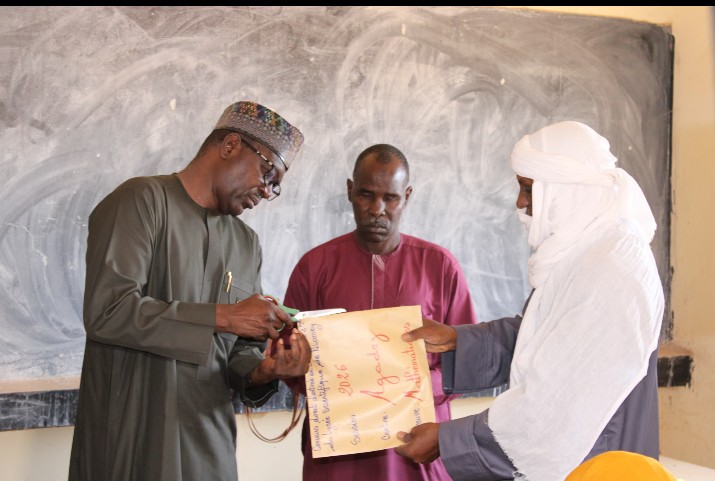
The 59th edition of the Cure Salée, an annual gathering of nomadic herders in Niger, is scheduled to take place in Ingall from September 25 to 27, 2026. This decision was officially communicated via correspondence from the Ministry of Agriculture and Livestock. The festival brings together nomadic communities, primarily Tuareg and Wodaabe, to celebrate the end of the rainy season, mark cattle health, and engage in cultural exchanges. Ingall, located in the Agadez region, serves as the traditional host for this significant event, drawing participants from across Niger and neighboring areas. The selection of Ingall shows its historical importance as a central meeting point for these communities, facilitating both the practical aspects of livestock management and the vital social cohesion that defines the festival. The annual celebration is a cornerstone of the region's cultural calendar, eagerly anticipated by thousands of pastoralists.
Decision-Making Process
The decision to set the Cure Salée festival dates was made following a careful examination of all constraints related to the event's organization. This process specifically considered challenges concerning the mobilization and coordination of various stakeholders involved in the festival. These stakeholders include not only the nomadic communities themselves but also local authorities, support staff, and logistical providers essential for managing an event of this scale in a remote location. Organizers aimed to establish the best possible conditions for the success of the 2026 edition, ensuring that all necessary arrangements are in place to accommodate the large influx of participants and their herds. This measured approach was undertaken to ensure a well-executed event for the nomadic communities gathering in Ingall, prioritizing their needs and the smooth running of the traditional ceremonies and activities. The full review sought to mitigate potential logistical hurdles and enhance the overall experience for all attendees.
Festival Significance and Context
The Cure Salée festival holds profound cultural and economic significance for the nomadic communities of Niger, particularly the Tuareg and Wodaabe peoples. This annual gathering in Ingall, a traditional meeting point in the Agadez region, marks the end of the rainy season and serves as a vital occasion for herd wellness checks and social interactions. The event facilitates the exchange of goods and news among pastoralists who traverse vast distances across the Sahel, providing a key opportunity for commerce and community updates in their dispersed way of life. It is a time when families reunite, alliances are reaffirmed, and the health of their most valuable asset – their livestock – is assessed after the seasonal migrations. The festival's enduring presence shows the resilience and deep-rooted traditions of these nomadic groups within Niger, reflecting their adaptability and strong cultural identity.
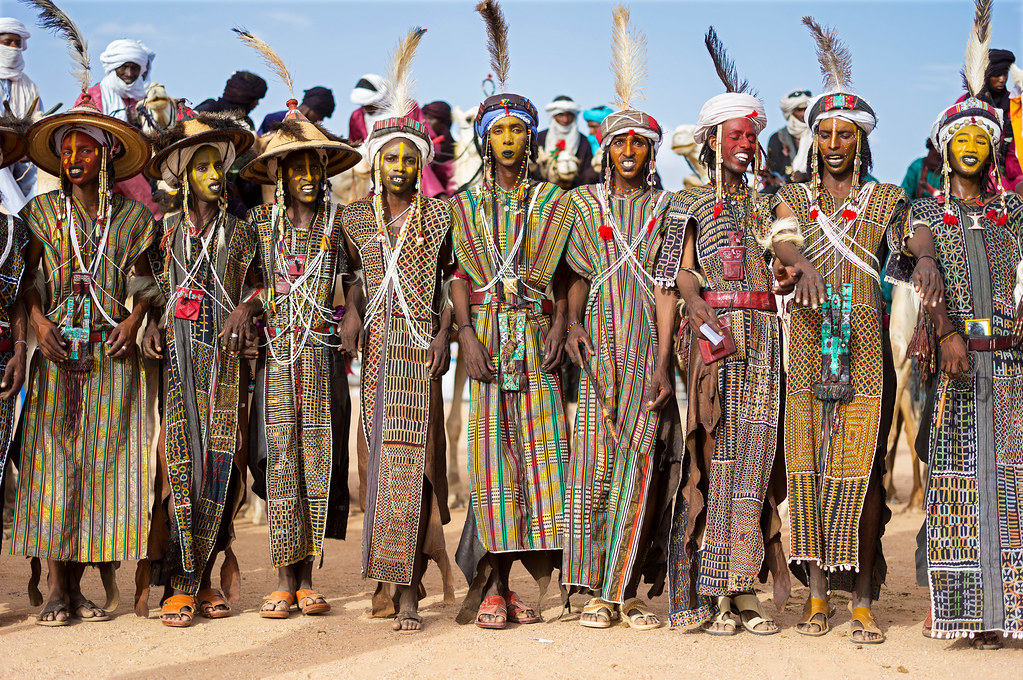
Beyond its practical aspects, the festival is a vibrant display of rich cultural heritage. Participants engage in traditional dances, songs, and ceremonies, reinforcing their communal bonds and celebrating their unique identities. The gathering also provides an opportunity for younger generations to learn about their ancestral customs and the importance of livestock in their way of life. Elaborate attire, intricate hairstyles, and traditional jewelry are showcased, particularly during events like the Gerewol, a Wodaabe courtship ritual that attracts considerable attention. These cultural expressions are not merely performances but integral parts of the communities' spiritual and social fabric, passed down through generations.
Regional Input Considered
Recommendations from regional authorities in Agadez and Tahoua were thoroughly reviewed during the decision-making process for the Cure Salée festival dates. The Ministry in charge of Livestock confirmed that these recommendations, which supported maintaining the initially proposed dates for the event, received "the utmost attention" and were incorporated into considerations. A Ministry in charge of Livestock statement noted, "les recommandations formulées par les autorités régionales d’Agadez et de Tahoua, notamment en faveur du maintien des dates initialement retenues, ont été examinées avec la plus grande attention et prises en considération dans les réflexions..." This official acknowledgment of regional input shows a collaborative approach to the festival's planning, ensuring that local perspectives and practical on-the-ground knowledge contribute to the final arrangements. The Ministry of Agriculture and Livestock communicated this information via correspondence dated September 3, providing clarity and official confirmation regarding the upcoming 59th edition of the Cure Salée.