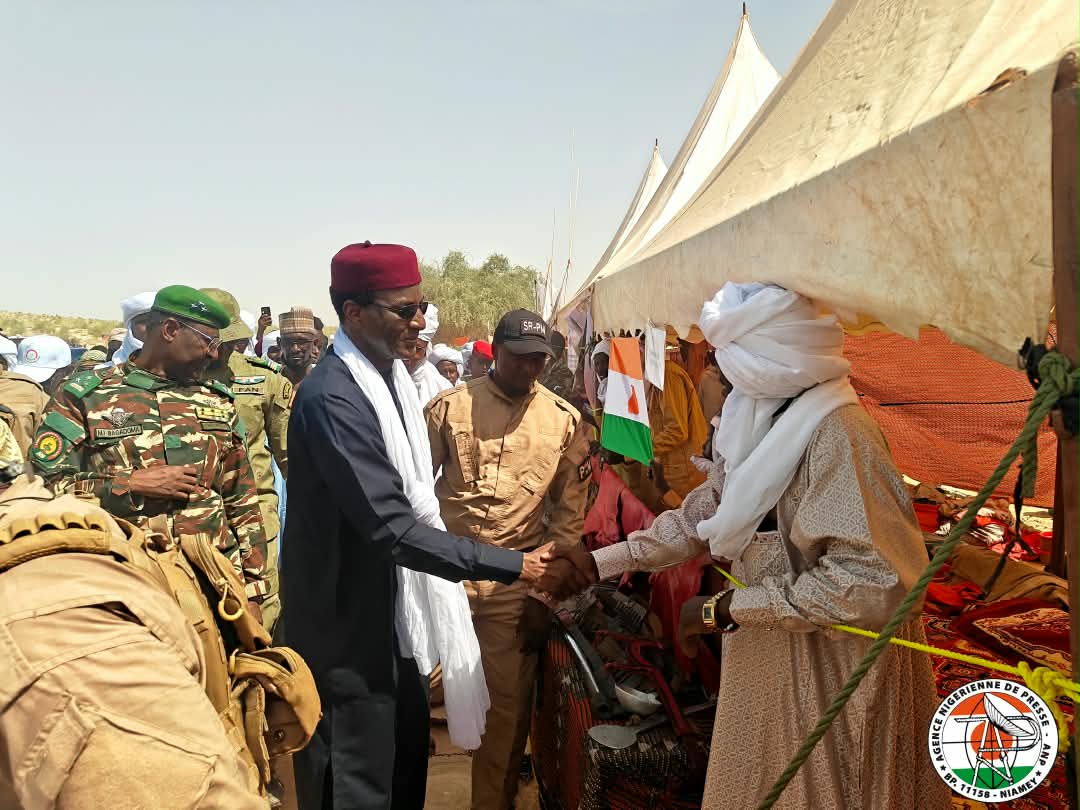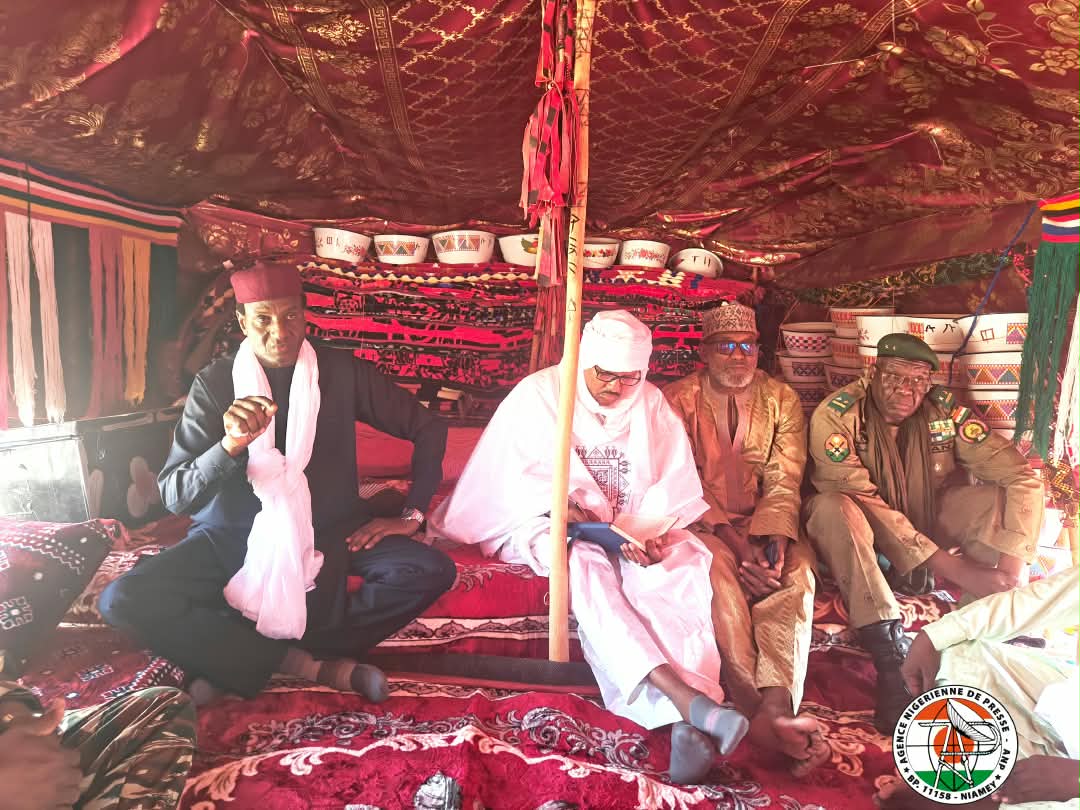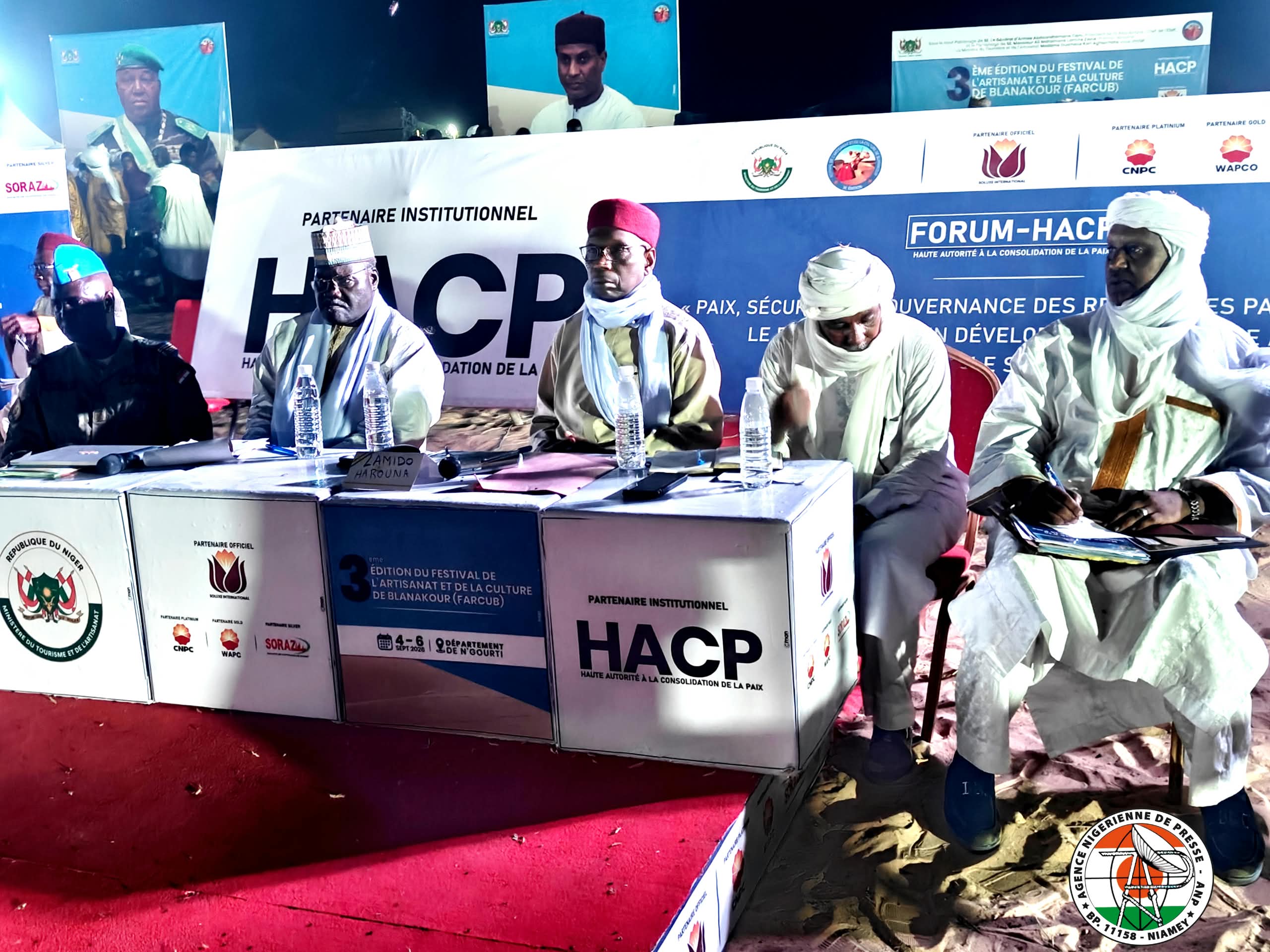
The High Authority for Peace Consolidation (HACP) organized a reflection forum in Blanakour on the evening of Saturday, September 5, 2026, to discuss peace efforts. The event brought together a broad spectrum of national stakeholders, including the Prime Minister, members of the National Council for the Safeguard of the Fatherland (CNSP), and various government officials. Presidents of republican institutions, administrative and customary authorities, and Forces de défense et de sécurité (FDS) officials were also in attendance. Representatives from diverse communities participated, showing the inclusive nature of the discussions aimed at fostering stability. The forum's timing, held on the sidelines of the 3rd edition of the Blanakour Arts and Culture Festival (FARCUB), added a cultural dimension to the critical discussions on peace and development. This strategic placement allowed for a broader engagement with societal issues, leveraging the festival's platform to amplify messages of unity and progress.
Sahel's Complex Challenges
The forum's theme centered on 'Peace, security and governance: shared resources, the foundation for sustainable development in Niger and the central Sahel.' This full theme showed the multifaceted approach deemed necessary for addressing the region's deep-seated issues. This meeting takes place as Niger, along with other Sahel countries, confronts multidimensional challenges directly impacting its communities. These cited challenges encompass security threats, community conflicts, and the forced displacement of populations. The security threats are a constant concern, exacerbating existing vulnerabilities. Community conflicts, often rooted in resource competition, further destabilize local areas. Additionally, the region experiences the effects of climate change, persistent poverty, and significant difficulties in accessing basic social services. The adverse impacts of climate change, such as desertification and unpredictable weather patterns, directly affect livelihoods and food security. Persistent poverty limits opportunities and fuels discontent, while inadequate access to essential services like healthcare and education hinders human development and perpetuates cycles of disadvantage. These interlocking challenges necessitate a holistic and collaborative response from all stakeholders.
Foundations for Lasting Peace
Lasting peace in the Sahel requires more than simply the absence of violence, according to discussions at the HACP forum. Participants emphasized that sustainable peace must be built upon the creation of economic opportunities for youth. Providing young people with viable pathways for employment and entrepreneurship is seen as key for diverting them from conflict and fostering a sense of hope and purpose. Effective participation of women in decision-making processes was also identified as a key component. Empowering women not only promotes gender equality but also brings diverse perspectives and more inclusive solutions to peacebuilding efforts. Discussions noted the necessity of ensuring equitable access to resources across communities. Addressing historical grievances and perceived injustices related to resource distribution is vital for preventing conflicts and building trust among different groups. These elements were presented as foundational for fostering stability and preventing a relapse into conflict in the region, ensuring that peace is not merely a temporary respite but a deeply rooted societal condition.
Context and Participants
The reflection forum convened by the High Authority for Peace Consolidation (HACP) took place in Blanakour on the evening of Saturday, September 5, 2026. This significant gathering was organized on the sidelines of the 3rd edition of the Blanakour Arts and Culture Festival (FARCUB), allowing for a broader engagement with the public and cultural institutions. The forum brought together a wide array of national stakeholders, including the Prime Minister, members of the National Council for the Safeguard of the Fatherland (CNSP), and various government officials. This extensive list of participants also included presidents of republican institutions, administrative and customary authorities, and Forces de défense et de sécurité (FDS) officials. The presence of these high-level political and security figures showed the national importance attributed to the discussions. Representatives from diverse communities participated, showing the inclusive nature of the discussions aimed at fostering stability and ensuring that a wide range of voices were heard and considered in the peace-building process.
HACP's Vision for Stability
The High Authority for Peace Consolidation (HACP) aims to establish sustainable stability in Niger and the broader Sahel region by prioritizing shared resources. Discussions at the recent Blanakour forum noted that enduring peace necessitates more than just an end to violence. The HACP's vision includes fostering economic opportunities for young people and ensuring the active participation of women in decision-making processes. These two pillars are considered essential for building resilient communities and promoting social cohesion. Equitable access to resources across all communities is central to their strategy, recognizing that resource-sharing can be both a source of conflict and a foundation for cooperation. This approach seeks to build foundational elements that can prevent future conflicts and promote long-term development in the Sahel, moving beyond immediate crisis response to address the root causes of instability.