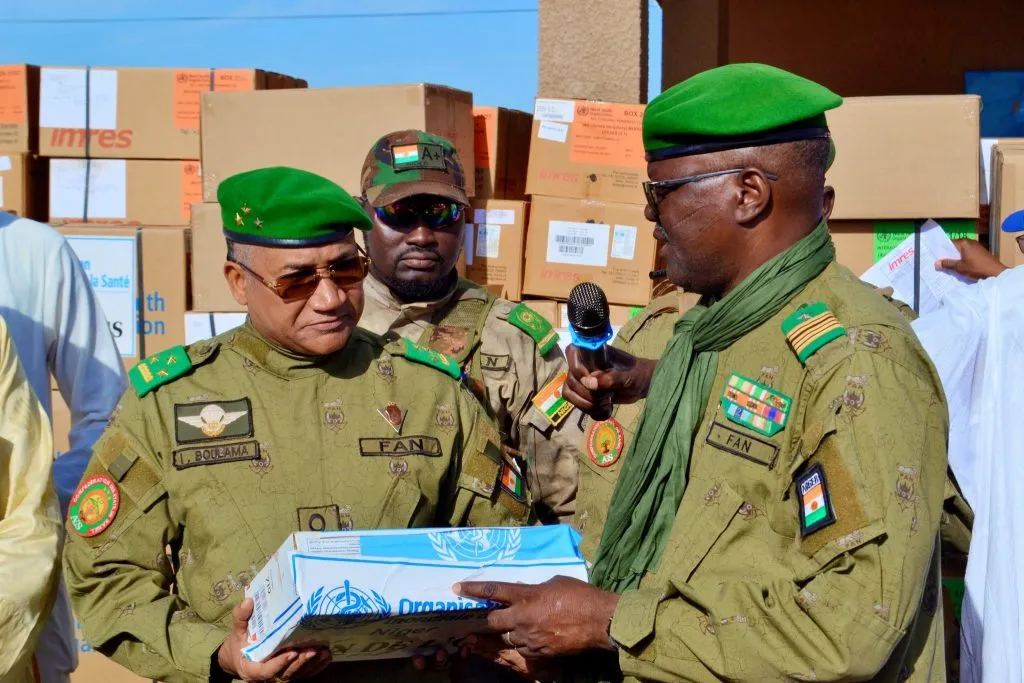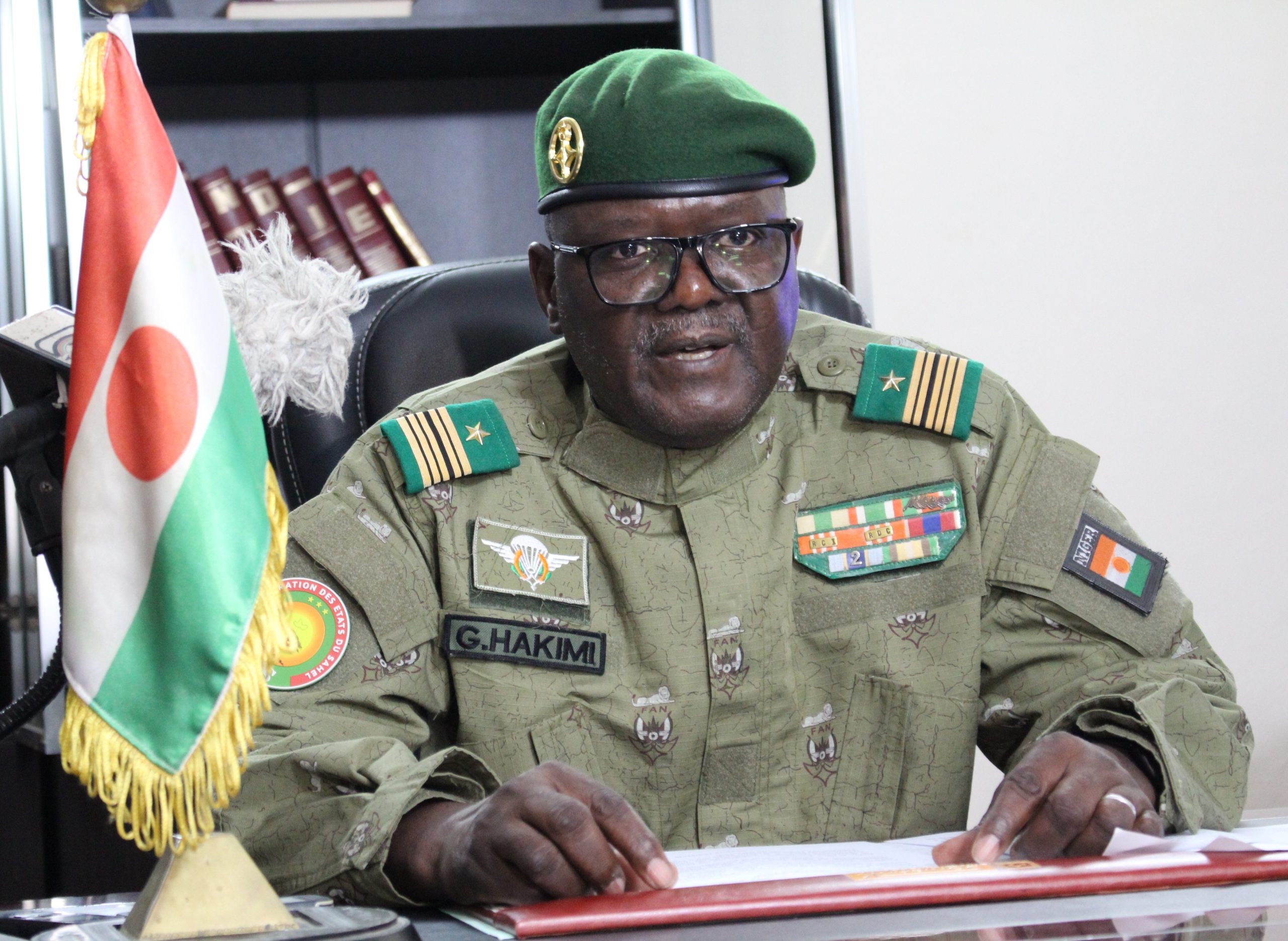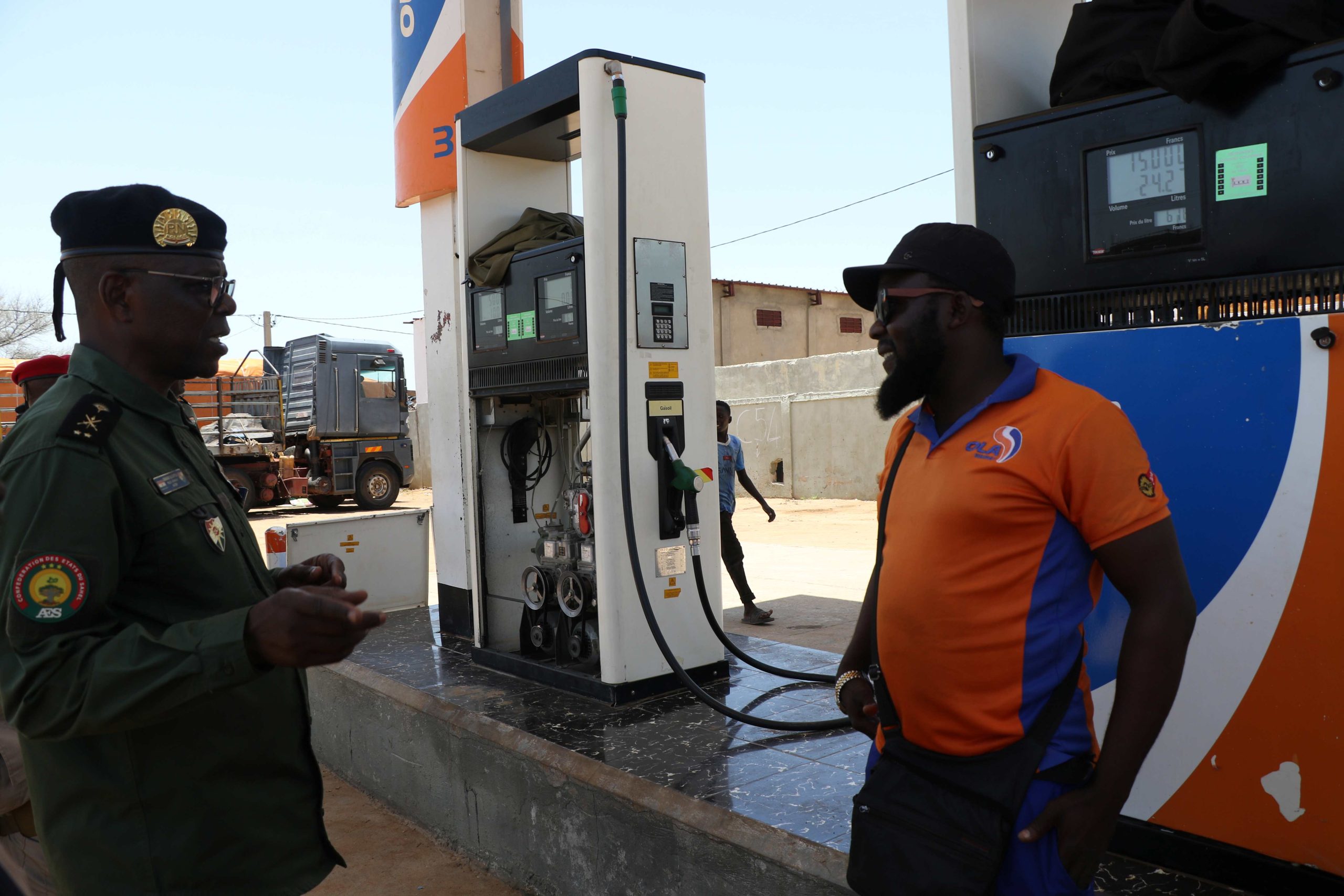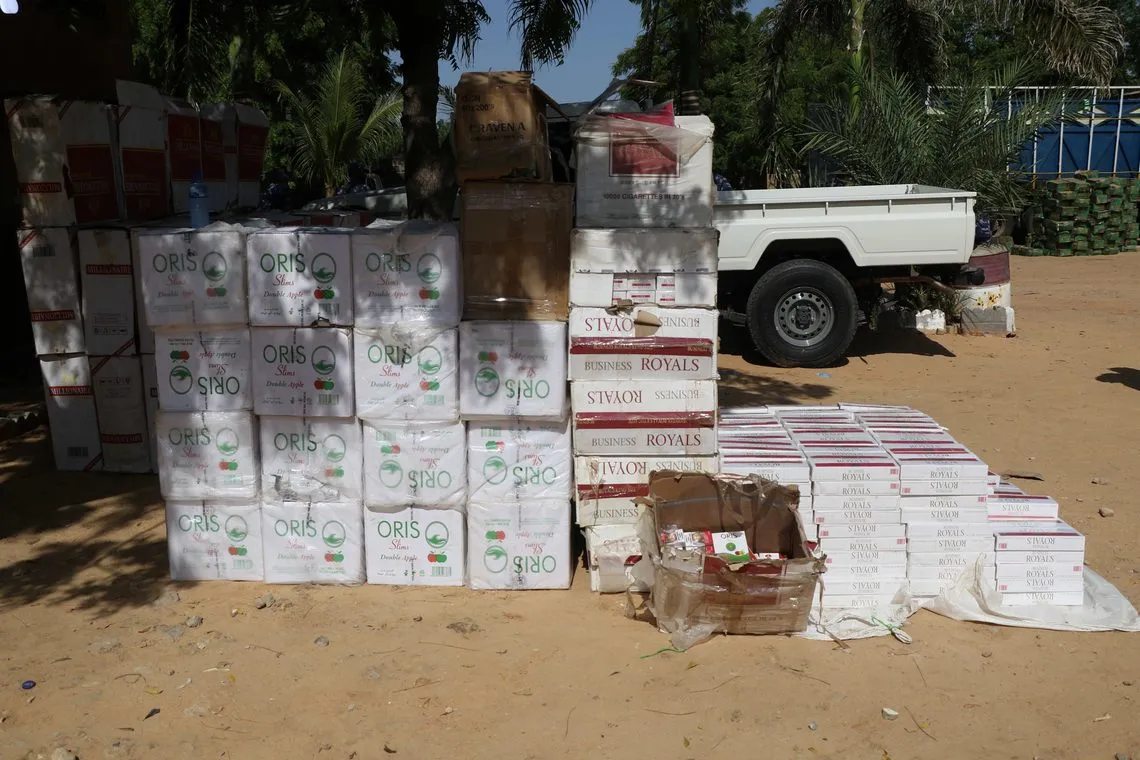
The Brigade de Douane de Maradi seized large quantities of illicit goods, including 518 cartons of pharmaceutical products and 434 cartons of counterfeit cigarettes. This significant seizure was presented to the press on Tuesday, September 1, 2026, in Maradi, Niger. The public presentation of the seized items aimed to highlight the ongoing efforts of authorities in combating illegal trade. Police Commissioner Issoufou Mamane, the regional governor, was present during the official presentation to the media, showing the high-level commitment to these anti-smuggling initiatives.
Broader Anti-Smuggling Efforts
The operation reflects a broader context of reinforced efforts against smuggling and parallel distribution channels in the region. Authorities have intensified measures to combat the illicit trade of goods, including pharmaceuticals and tobacco products, which pose significant threats to both public health and the legitimate economy. This heightened vigilance is part of a strategic push to secure national borders and uphold regulatory frameworks. Border control in Niger is considered an essential link within the nation's public health policy, serving as the first line of defense against harmful products. This emphasis aims to prevent the entry and distribution of substandard or counterfeit products that could pose significant risks to the population. The recent seizure shows the ongoing commitment to safeguarding public health and economic stability by disrupting illegal supply chains. These efforts are part of a larger strategy to secure national borders and ensure compliance with trade regulations, demonstrating a proactive stance against illicit commercial activities. The continuous monitoring and interception of such large consignments highlight the effectiveness of these reinforced measures.
Public Health Implications
Seizures of medicines are particularly sensitive for authorities due to the inherent risks associated with products of unknown origin, composition, and conservation. Such unregulated items can pose serious health threats to consumers, ranging from ineffectiveness to severe adverse reactions. The broader effort to combat illicit pharmaceutical products extends beyond typical customs enforcement, directly impacting public health security within the nation. This perspective shows the critical role customs officials play in safeguarding the population from potentially harmful substances entering the supply chain. The presence of counterfeit cigarettes also presents a significant public health concern, as these products often contain unregulated and dangerous ingredients, bypassing health standards and taxation.
The recent operation in Maradi notes the significant importance of ensuring product traceability for all goods, especially medicines, to guarantee their safety and efficacy. It also emphasizes the necessity of strong cooperation among various governmental bodies. Coordinated efforts between customs agencies, security forces, health services, and judicial authorities are essential to effectively disrupt the networks involved in the illegal trade of pharmaceuticals and other contraband. This multi-agency approach is deemed key for protecting citizens from substandard or counterfeit medical supplies and other illicit commodities that undermine public safety and economic integrity.
Operational Details
The recent seizure in Maradi involved a detailed operation by customs officials targeting illicit trade routes known for transporting contraband. Authorities have maintained a heightened state of vigilance across the region to intercept contraband materials, responding to intelligence and employing proactive surveillance. The Brigade de Douane de Maradi conducted the operation as part of ongoing efforts to enforce customs regulations and protect public health. This persistent surveillance aims to disrupt the flow of unauthorized goods, including counterfeit pharmaceuticals and cigarettes, which often enter through informal channels and porous borders. Customs personnel in Niger are specifically trained to identify and interdict such illicit shipments through various detection methods, including intelligence gathering and physical inspections. The successful interdiction reflects the operational capacity and strategic deployment of resources by the customs service in combating smuggling activities within the Maradi region, reinforcing the government's commitment to maintaining law and order in trade.