Niamey, the capital of Niger Republic, has recently experienced a series of attacks. The incidents mark a significant security challenge for the country. The nature and targets of these attacks have raised immediate concerns regarding the stability of the current regime and the broader security landscape across the Sahel region. These events show the persistent threats faced by civilian populations and governmental institutions in the area. Security forces have been mobilized in response to the incidents within the capital. Further details on casualties or specific perpetrators were not immediately available following the attacks.
Regime Vulnerability Noted
Governments established through military coups often face inherent instability, remaining vulnerable to further coups. This dynamic notes the precarious position of authorities who seize power through non-constitutional means. Such regimes frequently struggle to consolidate control and establish legitimacy, creating an environment susceptible to challenges from rival factions within the military or other power brokers. The risk of internal power struggles or external pressures can be exacerbated by existing security concerns, as seen in the Sahel region. A lack of broad public mandate and reliance on military support can leave these governments exposed to shifts in loyalty or external interventions, making them inherently fragile. The recent events in Niamey show this persistent vulnerability.
Regional Security Dynamics
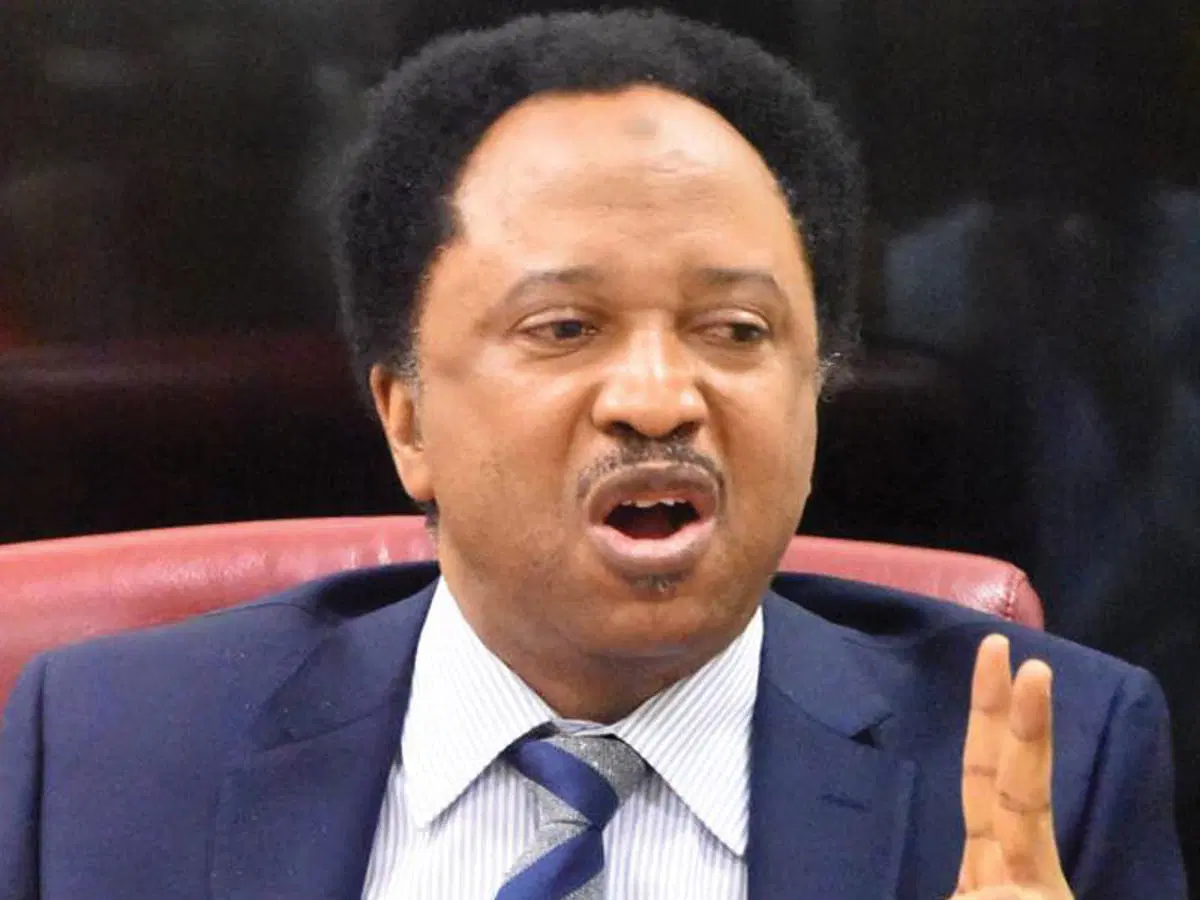
The recent security incidents in Niamey have also reignited discussions about broader regional stability and diplomatic relations within West Africa. Former Nigerian Senator Shehu Sani advocated for a reintegration of the Sahel states with the Economic Community of West African States (ECOWAS) to foster stability. "The Sahel states should reunite with ECOWAS in the interests of regional peace and security," Sani stated, emphasizing the importance of a unified approach to the complex security challenges facing the sub-region. This perspective notes ongoing efforts to address the fragmentation of regional alliances following a series of military takeovers in the Sahel, which have strained relationships with ECOWAS. The call for reunification suggests a recognition that collective security mechanisms may be key for mitigating threats that transcend national borders.
Call for ECOWAS Reunion
Former Nigerian Senator Shehu Sani issued a statement on Saturday, addressing the recent security incidents in Niamey. Sani asserted that the attacks showed the precarious position of the current authorities. "Today’s attacks on Niamey, the capital of the Niger Republic, once again reflects the vulnerability and fragility of the ruling military regime and the dangerous security trend in the subregion," Sani stated. He further advocated for regional cooperation to address the escalating security challenges. Sani urged, "The Sahel states should reunite with ECOWAS in the interests of regional peace and security," emphasizing the necessity of a unified front to stabilize the area.
Broader Sahel Implications
The recent security incidents in Niamey show the persistent challenges facing the broader Sahel region. The attacks highlight the vulnerability of governments established through military coups, which often struggle to consolidate control and establish legitimacy. This environment can be susceptible to internal power struggles or external pressures, exacerbated by existing security concerns across the Sahel. The ongoing instability in Niger Republic could have ripple effects, potentially destabilizing neighboring countries and further complicating regional security efforts. The situation emphasizes the interconnectedness of security dynamics within the Sahel, where threats often transcend national borders, demanding a coordinated regional response to prevent wider instability.