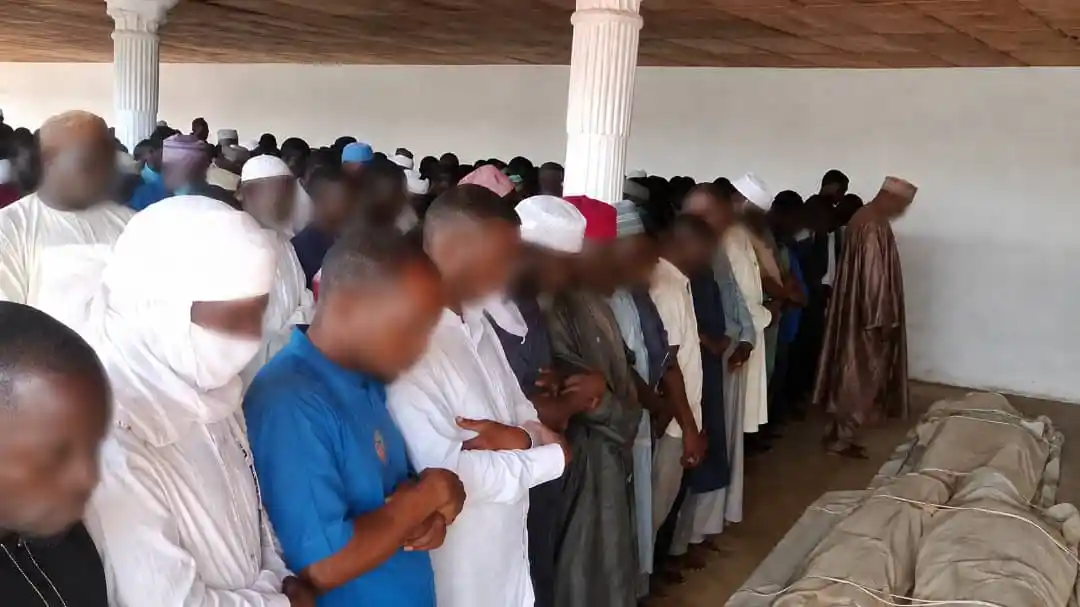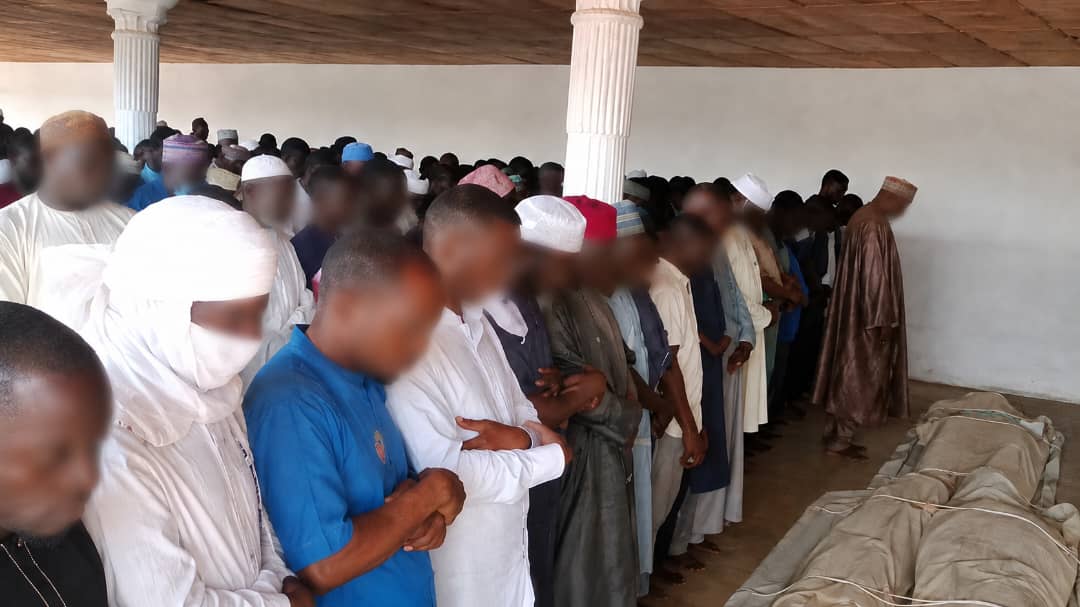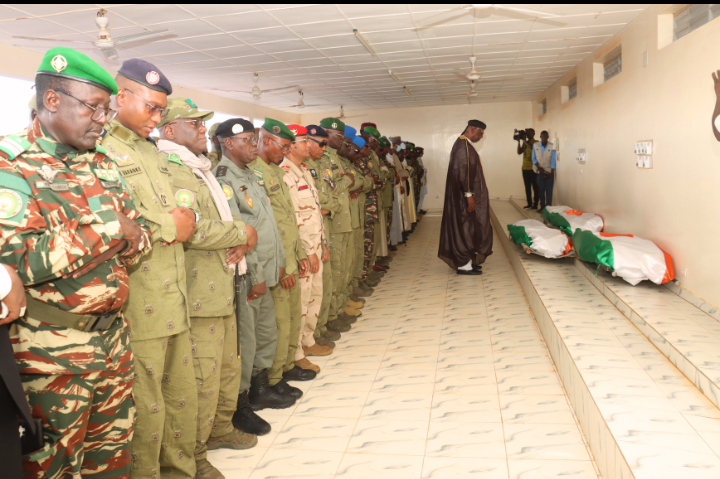
Niamey, Niger, hosted a solemn funeral ceremony on Monday, August 31st, for three members of the presidential guard who were killed during a mutiny attempt. The tribute followed what officials described as "troubled events of the night of Friday to Saturday, August 29th in Niamey." The ceremony honored the fallen guardsmen after the attempted uprising, details of which were still emerging. This report was published on September 1, 2026. The nation observed a period of mourning and reflection as the capital city processed the aftermath of the significant security incident. The ceremony showed the gravity of the situation and the sacrifices made by those who defended the state.
Honoring Fallen Heroes
The solemn ceremony at Air Base 101 in Niamey paid tribute to Adjudant Illo Maihatchi, Soldat de 2ème classe Yahaya Idrissa Zamnaou, and Soldat de 2ème classe Ousmane Haboulé Hamissou. These three members of the presidential guard were killed during the attempted mutiny. Their brothers-in-arms characterized the fallen as "soldiers disciplined and devoted" during the memorial. The atmosphere was one of profound grief mixed with a sense of duty and national pride, as military and government officials gathered to pay their respects.
Adjudant Maihatchi, Soldat de 2ème classe Zamnaou, and Soldat de 2ème classe Hamissou were further described by their comrades as having fallen "with weapons in hand," indicating their engagement during the incident. This poignant detail noted their active role in confronting the mutineers and their ultimate sacrifice. The tribute noted their commitment and bravery in the line of duty, resonating deeply with those in attendance. Adjudant Illo Maihatchi is survived by a pregnant wife and three children, a detail that showed the personal cost of the events and brought a somber human element to the military ceremony. The profound impact of his loss on his family was palpable, reminding attendees of the ripple effects of such tragedies.
The ceremony itself was a meticulously organized event, reflecting the military's tradition of honoring its fallen. High-ranking military officers, government officials, and family members of the deceased were present, forming a united front in their grief and respect. Each name was read aloud, accompanied by a moment of silence, allowing those present to reflect on the individual contributions of the fallen guardsmen. The eulogies delivered painted a picture of courageous individuals dedicated to their service, emphasizing their unwavering loyalty. The funeral served as a collective moment of mourning and remembrance for the military community and the nation, reinforcing the bonds within the armed forces and the wider society. It was a stark reminder of the perils faced by those in uniform and the ultimate price some pay in the defense of their country.
Details of the Mutiny
The deaths of three presidential guardsmen occurred during a mutiny attempt at Air Base 101 in Niamey. The incident unfolded during the night of August 28th to August 29th, marking a tense and uncertain period for the capital. According to the official version of events, a group of soldiers initiated the mutiny by attempting to detain comrades at Base 101 around 00:20. This initial move signaled the start of a coordinated effort by the mutineers. During the attempt, the group of soldiers opened fire on several sensitive sites within the capital, indicating a broader objective beyond the immediate confines of the air base. The targets of these attacks were not specified, but their selection suggested an intent to destabilize key government or military installations.
The rapid escalation from an attempted detention to widespread firing across the capital showed the seriousness of the mutiny. Security forces across Niamey were immediately put on high alert, responding to the multiple points of engagement. The sound of gunfire echoed through the night, causing alarm among residents and noting the fragility of the security situation. Loyalist forces were quickly mobilized to contain the threat and neutralize the mutineers. Their swift and decisive actions were critical in preventing the situation from spiraling further out of control. Calm was progressively restored in Niamey following the unrest, a testament to the effectiveness of the loyalist response. The restoration of order brought a collective sigh of relief, though the memory of the night's events remained vivid. The precise motivations behind the mutiny attempt were not immediately clear, but the government's official statements focused on the restoration of stability and the honoring of those who defended it.
Official Response and Aftermath
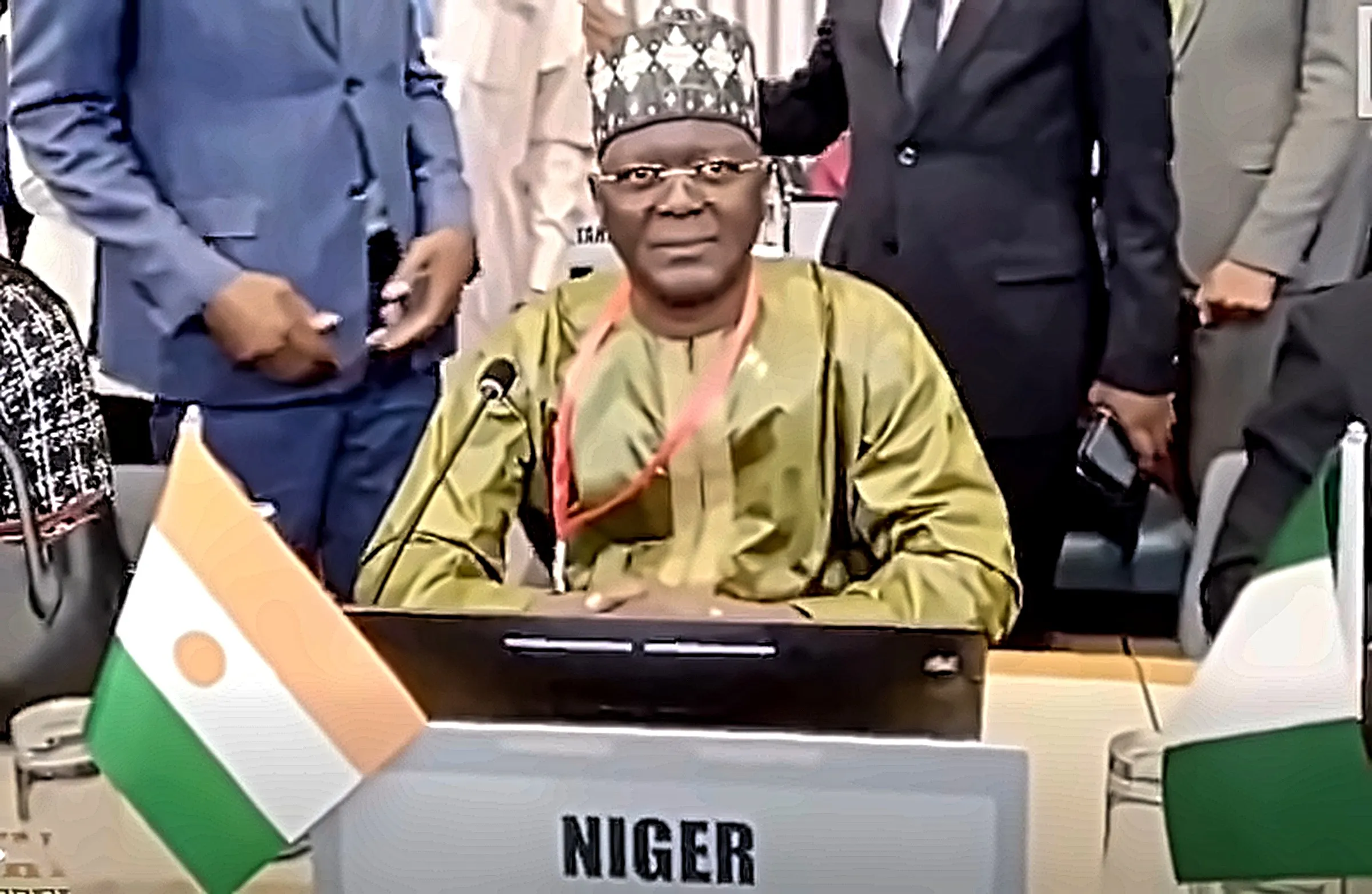
Lieutenant-Colonel Habibou Assoumane, the chief of staff of the presidential guard, posthumously promoted the three fallen guardsmen to the next higher rank. This promotion recognized their sacrifice in the line of duty during the mutiny attempt, serving as a formal acknowledgment of their bravery and ultimate devotion. The posthumous advancement is a standard military honor, but in this context, it carried additional weight, symbolizing the nation's gratitude for their role in quelling the uprising. On behalf of the nation, the Prime Minister awarded them the "Tarha-Nakal" Medal for internal operations theaters, further honoring their service. This prestigious medal is bestowed upon military personnel who distinguish themselves in operations within the national borders, showing the significance of their actions during the mutiny.
The three men, Illo Maihatchi, Yahaya Idrissa Zamnaou, and Ousmane Haboulé Hamissou, were subsequently buried in the "carré des martyrs," a dedicated section for those who die in service to the country. This hallowed ground serves as a permanent memorial, ensuring their sacrifices are never forgotten. The burial in the "carré des martyrs" is a profound honor, reserved for individuals whose deaths are deemed to be in the highest service of the nation. It provides a place of solace for their families and a site of pilgrimage for those who wish to remember their heroism. Loyalist forces quickly regained control of the situation following the initial unrest, according to official reports. Their prompt and coordinated efforts were instrumental in stabilizing the capital and ensuring the integrity of the state. The swift response by loyalist elements helped to stabilize the capital and prevent further escalation of the attempted uprising, averting what could have been a much larger crisis. The government's narrative consistently emphasized the successful quelling of the mutiny, projecting an image of control and resilience in the face of internal threats.