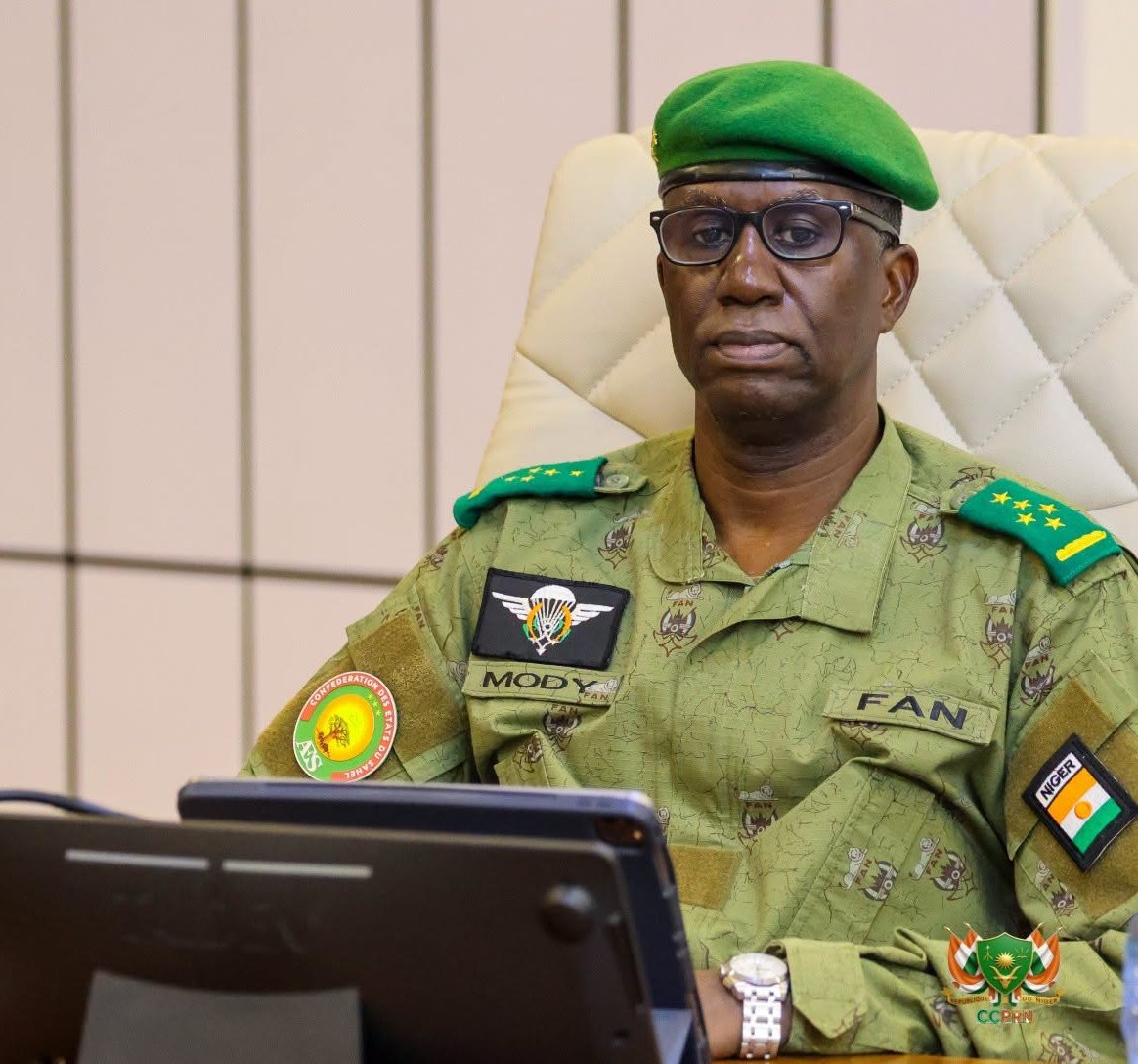
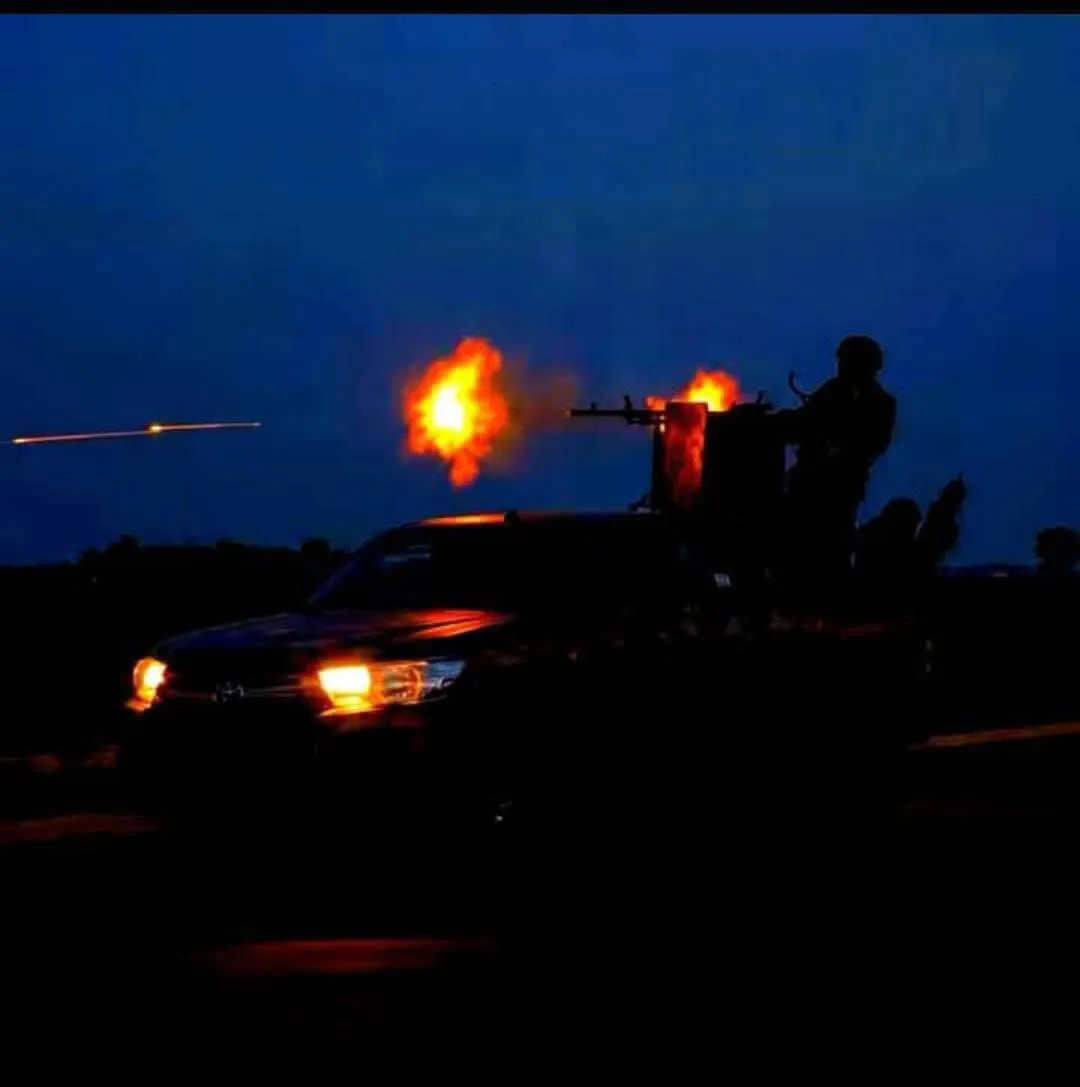
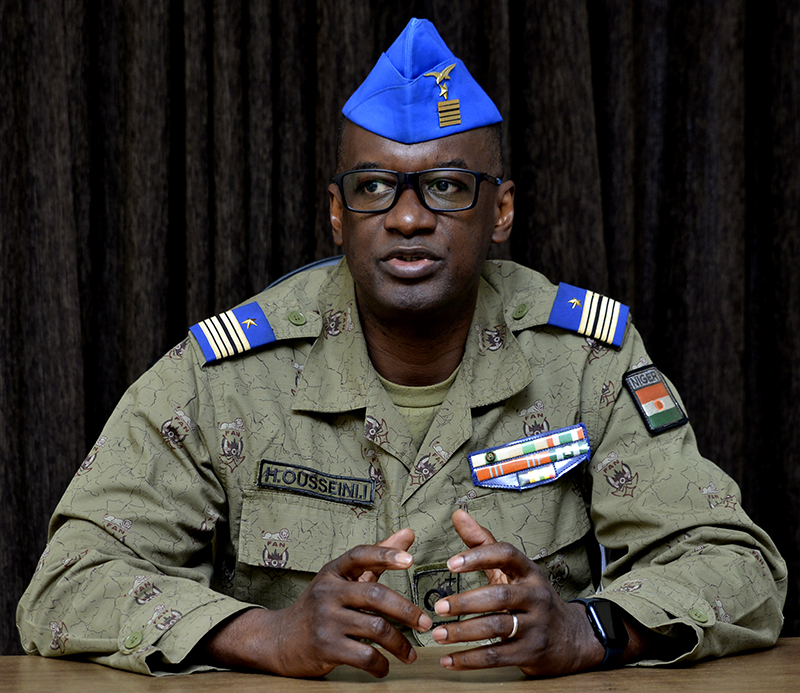
A mood strike initiated at base 101 in Niamey has failed, with the city returning to normal operations as of August 29, 2026. The attempted industrial action, centered at base 101, did not disrupt daily life or government functions in the capital, according to reports compiled on this date. The mood strike at base 101 in Niamey has failed, demonstrating a limited impact on the broader urban environment and the nation's critical infrastructure.
Strike's Demise Detailed
The attempted strike, which began at base 101 in Niamey, failed to gain significant traction beyond its initial point of origin. Normal activities resumed across the capital on August 29, 2026, with public services operating without interruption. Civilian life remained largely unaffected by the protest action. Reports from the Agence Nigérienne de Presse (ANP) indicated that key government functions continued unimpeded throughout the period of the proposed strike, further noting the limited scope of the disruption. The swift return to routine shows the resilience of the city's operations. The initial call for industrial action did not resonate widely, leading to its rapid dissipation.
The limited scope of the industrial action meant that other regions of Niger, including Tillabéry, Tahoua, Agadez, Zinder, Diffa, Dosso, and Maradi, experienced no disruption. Essential services, such as healthcare provided by organizations like OMS and MSF, were not impacted. These vital services continued their operations without any reported hitches, ensuring public welfare remained prioritized. Financial institutions, including the BOAD and WAVE Niger, maintained regular operations, reflecting stability in the economic sector. The overall economic activity of Niamey and other major cities remained stable, according to local observers, indicating that the attempted strike had minimal effect on commerce and trade. The lack of broader participation across various sectors contributed significantly to the strike's failure.
Life Resumes in Capital
The situation in Niamey has returned to normal, with residents resuming their daily activities following an attempted strike that failed to disrupt the city. Streets were bustling with typical traffic, and businesses operated as usual throughout the capital. This immediate return to customary activity showcased the limited influence of the proposed industrial action. Markets, including the Grand Marché, saw their regular flow of vendors and customers, indicating a full resumption of commercial life and economic vitality. Public transportation services, such such as shared taxis and moto-taxis, were fully operational, facilitating movement across the city without hindrance. Educational institutions and government offices also reported normal attendance and functioning, with employees and students present, showing the lack of a widespread impact.
The general atmosphere in Niamey reflected a return to normalcy, dispelling any lingering concerns about potential instability. Security forces maintained their regular presence, but there were no reports of unusual deployments or incidents, affirming the peaceful nature of the city's rebound. The city's infrastructure, including utilities and communication networks, functioned without interruption, further showing the return to pre-strike conditions. This swift return to routine notes the limited impact of the attempted industrial action on the broader urban landscape and daily life for its inhabitants. The resilience of Niamey's public and private sectors ensured that the city quickly moved past the brief period of attempted disruption.
Broader Context and Outlook
The swift return to normalcy in Niamey, following the failed strike at base 101, shows the stability of public services and the broader economic landscape in Niger. The mood strike at base 101 in Niamey has failed, and this outcome has been widely observed across the nation. Across the country, regions such as Tillabéry, Tahoua, Agadez, Zinder, Diffa, Dosso, and Maradi remained unaffected by the attempted industrial action, demonstrating a clear regional demarcation of the protest's reach. Essential organizations like OMS and MSF continued their operations without disruption, ensuring critical services were maintained. Financial institutions, including BOAD and WAVE Niger, maintained their regular activities, reflecting an uninterrupted flow of commerce and financial stability. The Agence Nigérienne de Presse (ANP) has consistently reported on the capital's undisturbed functions, indicating the limited scope of the protest and the overall stability within the country. This report was published on August 29, 2026.