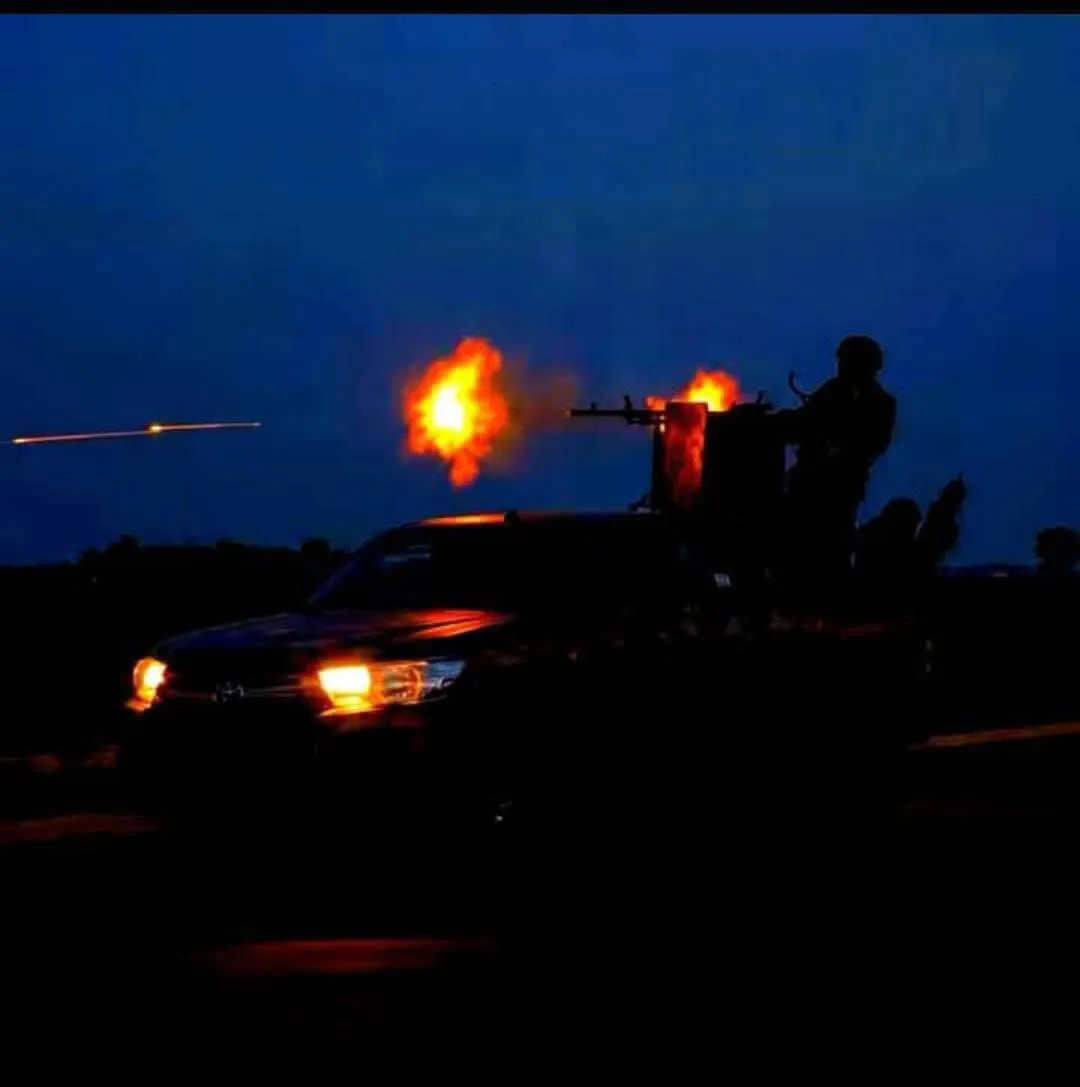
Niamey residents awoke Saturday, August 29, in shock, to news of a night filled with gunfire and strong detonations across the Nigerien capital. The sounds were heard from Friday night into Saturday morning, primarily concentrated near strategic locations. Strong detonations and heavy gunfire resonated across several sectors of the city, notably near the Diori Hamani International Airport and in the Plateau sector of the 2nd arrondissement, an area which houses several key institutions, including the Presidential Palace. The established fact is that Niamey experienced a night of intense auditory events, predominantly centered around these vital sites. The widespread nature of the sounds and the proximity to critical government and infrastructure facilities contributed to the palpable sense of alarm among the populace.
Unfolding Events and Official Response
Around 3 AM on Saturday, August 29, social networks began to ignite following the sounds of gunfire, with residents sharing their experiences and observations. Initial information indicated that the Defense and Security Forces swiftly reinforced their deployment around several sensitive sites in Niamey. Reports described heavy weapons fire punctuating the night's silence as these security measures were implemented, showing the seriousness of the situation. The rapid response from security forces aimed to secure key installations and maintain order amidst the unfolding events.
The National Council for the Safeguard of the Homeland (CNSP) issued a statement early Saturday morning. The CNSP called on the population to remain calm and vigilant amidst the unfolding events. They also specifically urged citizens not to disseminate unverified information, emphasizing the importance of accurate reporting during the volatile situation. This official communication sought to reassure the public while also managing the flow of information to prevent panic or misinformation. The CNSP's appeal noted the need for collective responsibility in a moment of heightened tension, advising against speculation that could further destabilize the situation.
Base 101: A Recurring Target
Base 101 serves as a critical strategic point for Nigerien forces and plays a significant role in the military arrangements of the Confederation of Sahel States. This vital complex also hosts military personnel from friendly countries, including Italy and Russia, noting its international importance. The presence of foreign military personnel shows the collaborative efforts in regional security and counter-terrorism operations. This site has already been attacked twice in 2026, indicating its vulnerability and strategic value to various actors. The repeated targeting of Base 101 points to ongoing security challenges in the region and the persistent threats faced by Nigerien forces and their allies.
On the night of January 28-29, Base 101 was targeted by an attack that resulted in significant casualties among the assailants. The Nigerien Ministry of Defense reported that 20 assailants were neutralized and 11 others were apprehended during the incident, demonstrating the defensive capabilities of the forces stationed there. Several international sources later indicated that the Islamic State organization claimed responsibility for this attack, linking it to broader extremist activities in the Sahel. This claim noted the nature of the adversaries operating in the region and their intent to target key military installations.
A few months later, on June 18, a new attack targeted the vicinity of the airport, near Base 101, further illustrating the persistent threat. The Ministry of Defense stated that 22 assailants were neutralized and approximately twenty suspects were apprehended in connection with the June 18 attack, showcasing continued vigilance and response efforts. The ministry also reported that 11 soldiers and two civilians were killed during this confrontation, a tragic reminder of the human cost of these security incidents. The loss of life among both military personnel and civilians shows the dangerous environment in which these forces operate and the impact on local communities.
Regional Context and Uncertainty
Niamey is currently hosting the first session of the AES Federal Parliament, an event that has brought high-level delegations from Mali and Burkina Faso to the Nigerien capital. The presence of these regional representatives coincides with the recent night of gunfire and explosions, adding a layer of regional significance to the unrest. The AES Federal Parliament's inaugural session marks a notable step in the cooperation among the three Sahel states, which formed the Alliance of Sahel States (AES) following a series of military coups in the region. This parliamentary gathering aims to foster closer political and economic ties among its member nations, creating a unified front against common challenges.
The timing of the security incidents in Niamey, occurring while high-level delegations from Mali and Burkina Faso are present, shows the broader security challenges facing the alliance and the region. The disturbances could be interpreted as an attempt to destabilize the political landscape or disrupt the nascent parliamentary processes of the AES. The ongoing session provides a backdrop of heightened diplomatic activity against which the recent disturbances are unfolding, drawing international attention to the security situation in Niger. The incident casts a shadow over the efforts to build stronger regional alliances and collective security mechanisms, emphasizing the fragility of peace in the Sahel. The continued presence of extremist groups and the complex geopolitical dynamics of the region mean that such security incidents remain a significant concern for the AES member states.