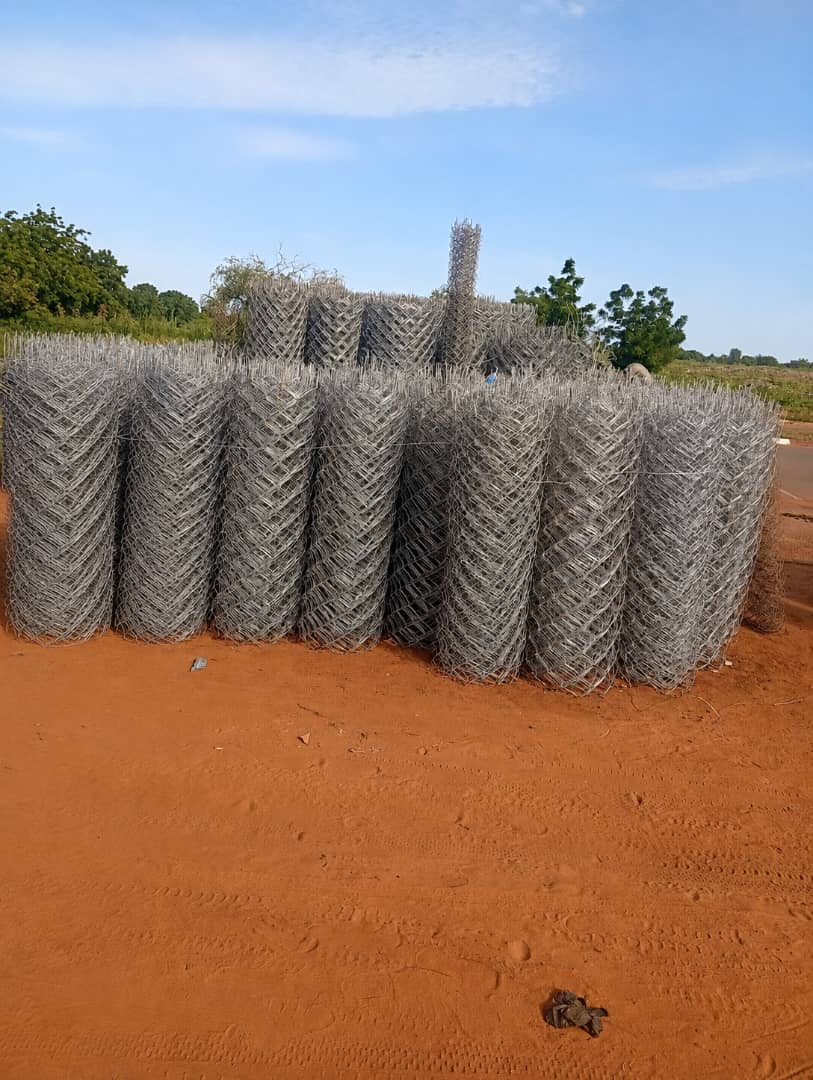
Young people with disabilities in Niamey are increasingly engaging in manual activities, specifically the manufacturing of metal mesh. This initiative aims to foster independence and provide key economic opportunities for disabled youth in the capital city. The work involves crafting durable metal mesh, a versatile product that supports various local construction and household needs across the community. This engagement provides a tangible pathway for these young individuals to become self-sufficient and contribute actively to their local economy.
Crafting Livelihoods on City Streets
In workshops situated along Niamey's bustling streets, young individuals utilize wire and manual machines to produce various types of metal mesh. This hands-on process allows them to meticulously create products that meet specific market demands. This mesh serves essential purposes in both construction projects, where it is used for reinforcement and security, and for household security, forming protective barriers for homes and properties. The manufacturing process allows these dedicated artisans to create products directly responding to local demand within the capital, ensuring their efforts are both productive and economically viable. The skills acquired in this trade are practical and directly applicable to the needs of the urban environment.
A roll of this mesh typically sells for between 20,000 and 80,000 FCFA. The final price varies based on the precise dimensions of the mesh, such as its length and width, and the quality of the metal used in its construction, with higher-grade materials commanding a premium. This pricing structure reflects the customizability and material differences inherent in the product line, allowing for a range of options to suit different customer needs and budgets. The transparency in pricing helps both the producers and consumers understand the value proposition of each product.
Economic Empowerment and Autonomy
The manufacturing of metal mesh provides a critical source of income for disabled youth in Niamey. This activity generates income, directly helping them meet their daily needs, from food and shelter to personal care and family support. Engaging in this work also strengthens their financial autonomy, allowing them greater control over their economic lives and fostering a sense of self-reliance. The income generated from crafting and selling mesh supports their independence within the community, enabling them to make personal choices and investments that further their well-being. This economic empowerment is a cornerstone of their integration and dignity. By earning their own living, these young people are able to overcome significant barriers to participation in society.
This economic activity is not merely about earning money; it is about building a sustainable future. The skills learned in mesh manufacturing are valuable and transferable, offering long-term prospects for continued employment and entrepreneurship. The ability to manage their own finances and contribute to their households significantly boosts their self-esteem and social standing. This newfound economic stability allows them to plan for the future, whether it involves further education, expanding their businesses, or supporting their families. The initiative provides a strong framework for personal and professional growth, demonstrating that disability does not equate to inability to contribute economically.
Broader Societal Impact
The manufacturing of metal mesh by disabled youth in Niamey extends beyond individual economic empowerment, fostering a broader societal shift in perceptions. This initiative demonstrates the immense potential for individuals with disabilities to contribute significantly to the local economy, challenging long-held misconceptions about their capabilities. The visible presence of these young artisans working diligently along Niamey's streets challenges existing stereotypes and promotes greater inclusion within the capital. Their independent economic activity provides a tangible example of self-reliance and determination, potentially inspiring other marginalized groups to pursue similar paths. The products they create, essential for local construction and security, further integrate their efforts into the community's daily life, making their contributions indispensable. This integration helps to normalize the participation of disabled individuals in the workforce, noting their skills and dedication. The success of these young entrepreneurs serves as a powerful testament to the benefits of inclusive economic practices for the entire community.