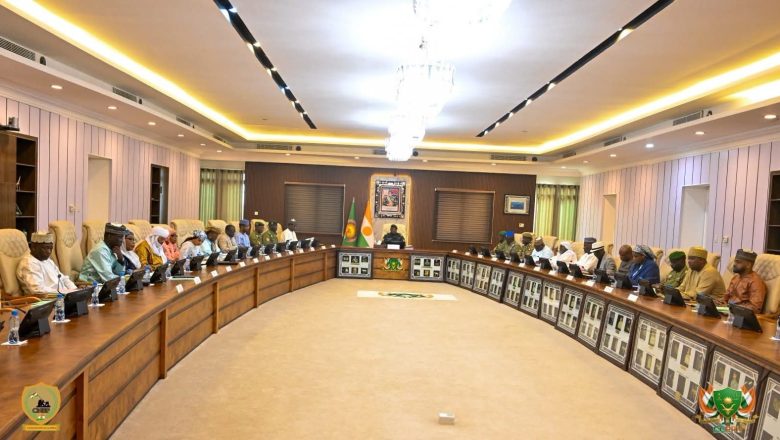
Niger's government is revising its internal media regulations, adopting new strict rules for international press and online information platforms operating within the country. The Nigerien government is undertaking a full revision of the internal regulations governing its media landscape, a move designed to introduce greater oversight and accountability. The executive met in a Council of Ministers on Thursday, September 10, approving two major texts to establish these stricter guidelines. These two significant legislative texts were formally adopted, setting forth stringent new rules specifically for the international press and various online information platforms operating within Niger's borders. The new regulations aim to govern the operations of foreign media and digital platforms in Niger, ensuring adherence to the country's evolving legal framework. This development was reported on September 11, 2026.
New Rules for Foreign Press
Foreign correspondents and visiting reporters in Niger will now be required to wear an official armband to cover local news, according to the new regulations. This specific requirement shows the government's intention to clearly identify and regulate the activities of foreign journalists. A draft decree rigorously frames the attribution, renewal, and withdrawal of professional accreditations for media personnel, establishing a clear and structured process for media professionals. This reform aims to clarify the categories of journalists authorized to work within the country and define their professional duties, ensuring that all foreign media activities are conducted under official sanction. International media organizations must comply with these operational requirements to maintain their teams in Niger, indicating a non-negotiable standard for continued presence. The new measures stipulate that foreign journalists must obtain specific authorization to conduct reporting activities, a step intended to provide the government with greater control over who reports and what is reported within its territory. The rigorous framework for accreditation aims to standardize the professional conduct and operational presence of foreign media.
Online Content Oversight
An ordinance approved by the Council of Ministers introduces mandatory identification for electronic press publishers operating in Niger. This requirement means that all entities publishing news content online must be officially recognized and identifiable, moving away from anonymous digital operations. The new regulation also significantly increases the responsibility placed on editorial teams for content published online, holding them more accountable for the information they disseminate. This ordinance specifically increases the responsibility of editorial teams, making them legally answerable for the accuracy and nature of the content they produce. Authorities have stated their intention to curb what they describe as online 'deviations,' with a particular focus on combating false news and hate speech disseminated through digital platforms. This initiative directly targets the spread of misinformation and harmful content, aiming to foster a more responsible digital environment. This move expands the government's oversight beyond traditional foreign media outlets to include the rapidly evolving landscape of online information dissemination, acknowledging the growing influence of digital platforms. The measures aim to ensure greater accountability from those managing digital news sources within the country, promoting a higher standard of digital journalism.
Broader Media Landscape Reform
The new legislative framework aims to redefine the conditions for media practice within Niger, with the stated goal of cleaning up competition across the national territory. This broader reform extends beyond specific rules for foreign journalists and online platforms to encompass the overall operational environment for all media entities, both domestic and international. The new legislative framework redefines the conditions of practice for all media, seeking to clean up media competition across the entire national territory by setting clear and equitable standards. Authorities indicated that the revised framework seeks to establish clearer guidelines for accreditation, content responsibility, and ethical conduct for both traditional and digital news outlets. This full approach is designed to ensure that all media operations adhere to a unified set of professional and ethical standards. The government’s objective is to foster a more accountable and structured media landscape, ensuring that all actors adhere to established professional standards and contribute positively to public discourse. This full approach is designed to address various aspects of media operations, from content creation to dissemination, under a unified regulatory umbrella, signaling a significant shift in how media is regulated in Niger.