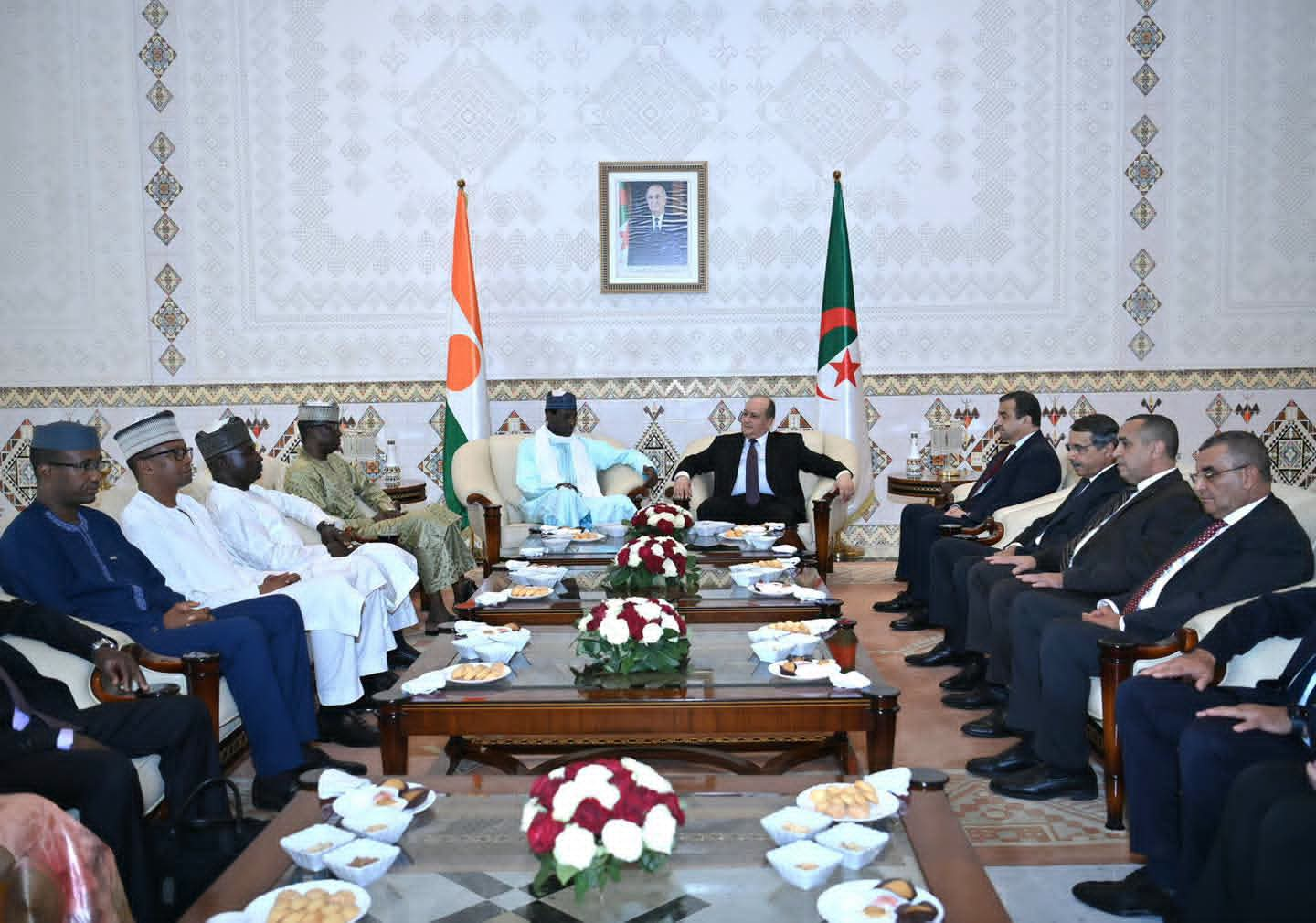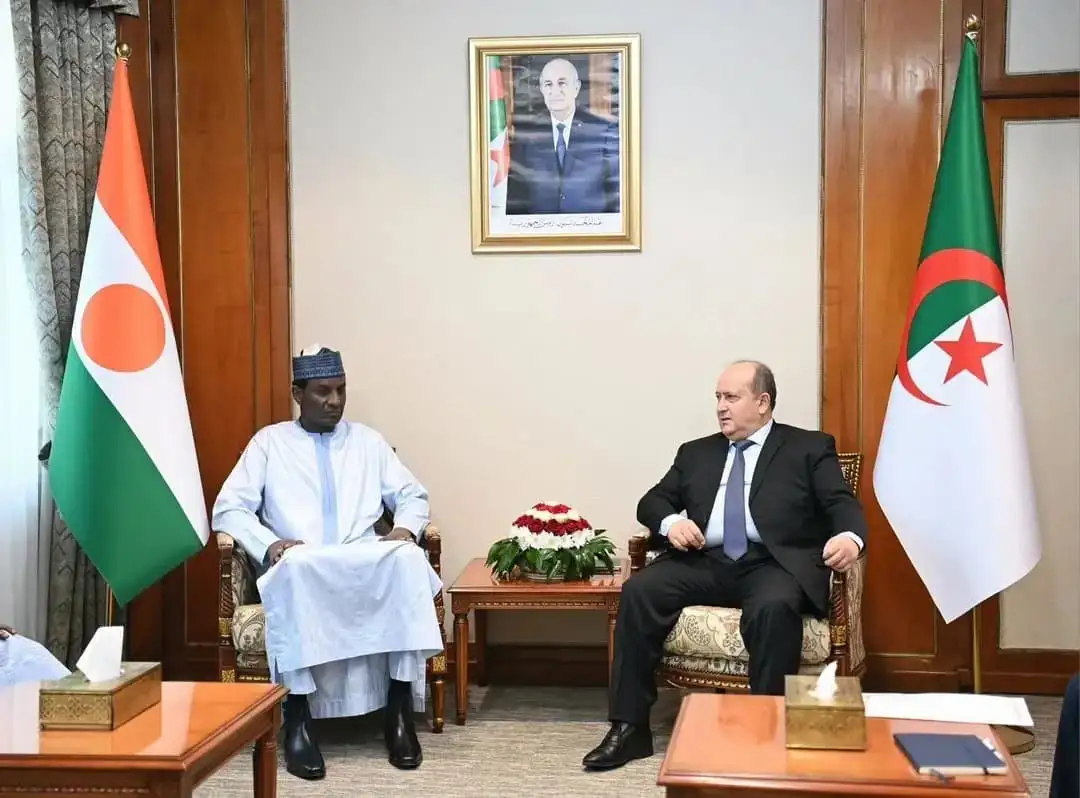
Niger's Prime Minister Ali Mahaman Lamine Zeine met with Algerian Prime Minister Sifi Ghrieb in Algiers on Thursday, August 27, 2026. The two leaders held a one-on-one meeting to discuss the current state of bilateral relations between their countries. Their discussions specifically focused on prospects for strengthening cooperation between Niger and Algeria, according to officials. The meeting showed efforts to enhance engagement between the two nations, signaling a renewed commitment to deepening ties. This high-level interaction between the two prime ministers is expected to lay the groundwork for future collaborative endeavors.
High-Level Working Visit
The meeting between Prime Minister Ali Mahaman Lamine Zeine and Algerian Prime Minister Sifi Ghrieb formed part of a 48-hour working visit to Algiers by the Nigerien Prime Minister. He led an important ministerial delegation during the visit, signaling the significance Niamey places on these discussions. The delegation's presence emphasized the full nature of the talks, covering various ministerial portfolios relevant to bilateral cooperation. The Nigerien government's objective for the visit is to convert the traditional political relations with Algiers into concrete economic projects that deliver measurable impact. This approach aims to deepen cooperation beyond diplomatic exchanges, focusing on tangible outcomes for both nations and fostering a more strong economic partnership. The 48-hour duration allowed for extensive deliberations and the potential for detailed planning regarding future joint initiatives.
Strategic Partnership Potential
Algeria is regarded as a strategic neighbor for Niger, a perception attributed to its geographical location, its significant energy resources, and its established industrial capacities. This assessment notes the potential for a deeper, mutually beneficial relationship between the two North African nations. The shared border and regional dynamics further show the importance of this strategic alignment. Officials have identified several key areas where cooperation could be significantly expanded and solidified, leveraging Algeria's strengths and Niger's development needs.
These key sectors include infrastructure development, energy collaboration, and improvements in transport links, aiming to enhance connectivity and facilitate economic exchange. Enhancing infrastructure, such as road and rail networks, is seen as vital for boosting trade flows and regional integration. Energy cooperation could involve joint ventures in exploration, production, or distribution, given Algeria's substantial energy weight. Additionally, discussions have pinpointed trade, security initiatives, and professional training programs as vital components for future bilateral projects. Expanding trade avenues will create new economic opportunities, while security cooperation is key for regional stability. Professional training programs are intended to build human capacity in various sectors, contributing to long-term development. These identified areas reflect a full approach to building a more integrated and secure partnership between Niger and Algeria, moving beyond traditional diplomatic interactions to concrete, results-oriented collaboration.
Diversifying Niger's Partnerships
Niamey is actively seeking to diversify its economic, energy, and diplomatic partnerships, according to officials. This strategic shift aims to broaden Niger's international engagement beyond traditional allies, exploring new avenues for growth and stability. The focus on new partnerships comes as the West African nation navigates a complex geopolitical landscape, showing a commitment to exploring various avenues for national development and security. By engaging with a wider array of international partners, Niger intends to enhance its resilience and foster sustainable growth across key sectors, reducing reliance on any single partner or region. This diversification effort is seen as a cornerstone of the country's foreign policy, aiming to secure more favorable terms for trade, investment, and technical cooperation, thereby strengthening its national interests on the global stage.