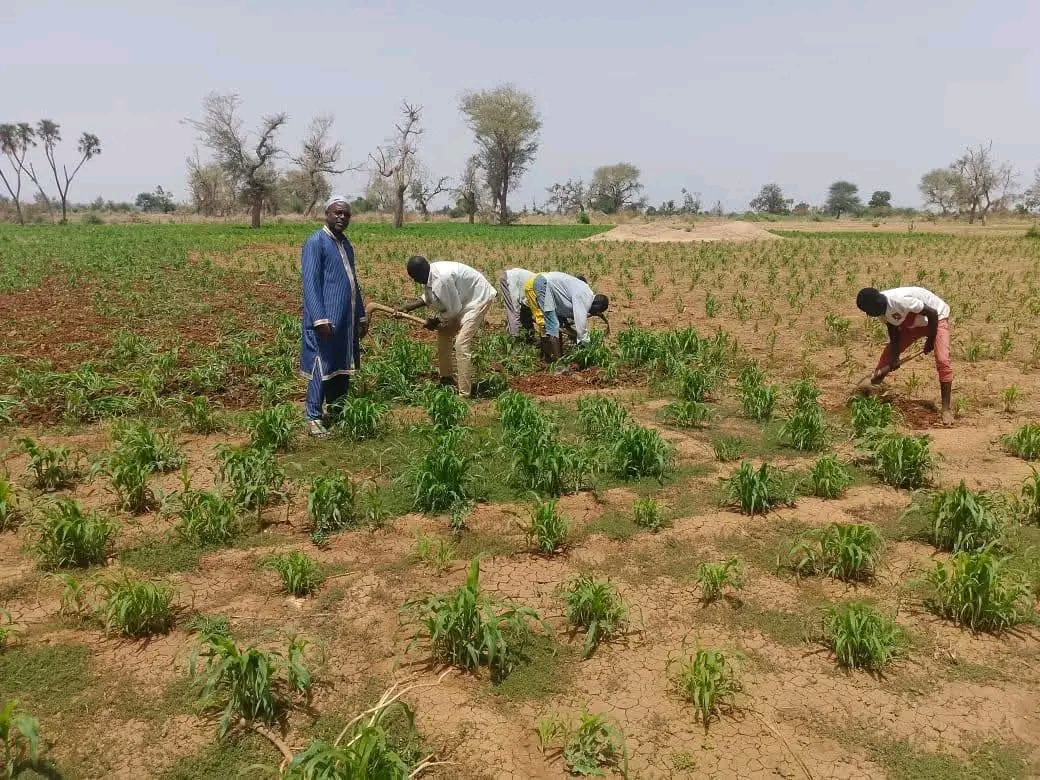
Niger's 2026 agricultural campaign has seen millet sowing reach an estimated 94% national coverage by the end of July. This figure is a key indicator of the country's progress in its vital agricultural sector. The progress reflects ongoing efforts in the critical cereal production sector, which is essential for national food security. However, this year's sowing coverage, at 94%, is notably lower compared to the same period in 2025, when it achieved nearly 99%. This slight decrease raises concerns about the overall trajectory of the current agricultural season and its potential impact on harvest yields.
Coverage Details and Regional Variations
Millet sowing coverage in Niger currently encompasses 13,182 villages out of the 14,013 villages being monitored across the country. This extensive monitoring effort shows the government's commitment to tracking agricultural development at a granular level. This figure reflects the extent of agricultural activity reported by the end of July, offering a full snapshot of the campaign's reach. The monitoring efforts track progress in key agricultural zones, providing a detailed overview of the campaign's implementation and identifying areas requiring attention. While the national average indicates substantial planting, regional variations in rainfall patterns continue to influence local progress significantly. These differences show the challenges faced by farmers in achieving uniform coverage across all agricultural regions, noting the vulnerability of rain-fed agriculture. The data provides a granular view of the 2026 millet campaign's implementation at the village level, enabling targeted interventions where necessary.
Impact of Rainfall Interruptions
Localities within the Diffa, Maradi, Tahoua, Tillabéri, and Zinder regions have experienced significant rainfall interruptions, with dry spells lasting between 14 and 28 days. These prolonged periods without rain have directly impacted the ongoing millet campaign, creating considerable challenges for farmers. The interruptions in rainfall have led to failures in millet sowing across these affected areas, preventing successful germination and establishment of crops. Farmers in these specific regions have reported instances where planted millet crops did not germinate or withered due to the lack of adequate moisture, necessitating costly and labor-intensive replanting efforts. The adverse weather conditions have necessitated replanting efforts in some areas, further complicating the agricultural season and potentially delaying harvests. These failures in millet sowing are a direct consequence of the extended dry spells, threatening local food production. The impact of these dry spells is being closely monitored as the 2026 millet campaign progresses, influencing regional agricultural output and food security assessments.
Producer Outlook and Campaign Hopes
In Niamey and its peri-urban areas, the Network of Chambers of Agriculture of Niger estimates that the campaign's establishment is generally satisfactory. This assessment provides a localized perspective on the progress of the 2026 millet campaign, offering a contrasting view to the challenges faced elsewhere. Despite broader concerns about rainfall interruptions in other regions, agricultural producers in the capital area are reporting positive conditions for crop development, suggesting more favorable local microclimates or access to resources. The Network's observations suggest that farmers operating closer to urban centers may be experiencing more favorable circumstances for their millet cultivation efforts, potentially benefiting from better access to inputs or information. The satisfactory establishment indicates that sowing has been completed effectively, and early growth stages are proceeding as anticipated in these specific zones, offering a glimmer of hope amidst the national challenges. This contrasts sharply with reports from regions like Diffa, Maradi, Tahoua, Tillabéri, and Zinder, which have faced significant dry spells impacting their agricultural output and requiring urgent attention. The positive outlook in Niamey provides a localized highlight within the broader national agricultural landscape, demonstrating the diverse experiences within the country's agricultural sector.