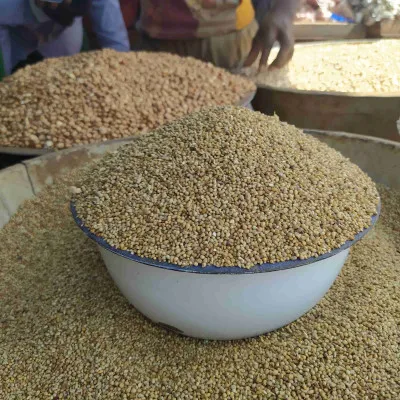
Grain prices in Niger have seen a significant decline during the week of August 5-11, 2026, offering relief to consumers across the nation. Specifically, the market observed millet and sorghum prices each falling by 1%, while maize prices experienced a more substantial drop of 3% during this period. This downward trend in the cost of staple grains is widely considered beneficial for consumers, improving their purchasing power and food accessibility. However, this positive development for consumers is not automatically good news for agricultural producers, as the decrease in market prices could lead to a reduction in their revenues, even as their production costs remain persistently high. This creates a complex economic situation for the agricultural sector.
Harvests Boost National Production
A primary factor contributing to the observed price decrease is the improved national production of grains. This enhancement in output has been largely driven by the successful implementation of better seeds and abundant rainfall experienced across much of the country. These favorable conditions have allowed for strong agricultural activity. The first millet harvests have already commenced in Falmey, a key agricultural area located in the Dosso region. The early start to harvesting in this region is further bolstering the overall supply of grain to the market, contributing to the downward pressure on prices.
According to the latest bulletin from the Ministry of Agriculture, a national seed coverage rate of 97% was recorded at the beginning of August. This exceptionally high coverage rate indicates widespread and successful planting activity across the vast majority of the country's agricultural lands. Such extensive planting lays the groundwork for potentially strong yields in the upcoming harvest season. However, despite the generally positive outlook, the Diffa region notably experienced a significant delay in its sowing operations. This delay could impact local production in Diffa, potentially leading to regional disparities in supply and price stability. The overall national picture, however, remains one of increased supply and availability.
Supply Chains Withstand Challenges
The resilience of external supply corridors has also played a key role in contributing to the observed price drop. This resilience was maintained despite the imposition of sanctions on Niger in July 2023. These sanctions, while posing significant challenges, did not completely disrupt the flow of essential goods. The continued and effective flow of grains through these external channels helped ensure a stable and consistent supply of grain to the market. This external supply complements the burgeoning domestic harvest, creating a strong overall market availability that has helped drive prices down for staple commodities. The ability to sustain these supply lines shows the adaptability of trade networks in the face of geopolitical pressures.
Producer Concerns Amidst Consumer Gains
The recent decline in grain prices, while undeniably positive for consumers, has simultaneously raised significant concerns among agricultural producers throughout Niger. Data compiled and analyzed by the Système d'Information des Marchés Agricoles (SIMA) clearly indicates a substantial drop in the market value of millet, a critical crop for many farmers. For instance, a 100 kg sack of millet, which commanded prices ranging between 25,000 and 29,000 FCFA in 2025, was observed trading at a significantly reduced range of 16,000 to 20,000 FCFA in 2026.
This pronounced downward trend in prices directly impacts producer revenues, potentially jeopardizing their financial stability. Farmers face the challenge of covering their high production costs, which include expenses for seeds, labor, and other inputs, with reduced income from sales. The situation notes a growing divergence in economic outcomes: while consumer affordability of essential foodstuffs is improving, the profitability and sustainability of agricultural production for farmers are facing new and considerable challenges. This delicate balance between consumer benefits and producer viability will be a key area of focus as the harvest season progresses and market dynamics continue to evolve.