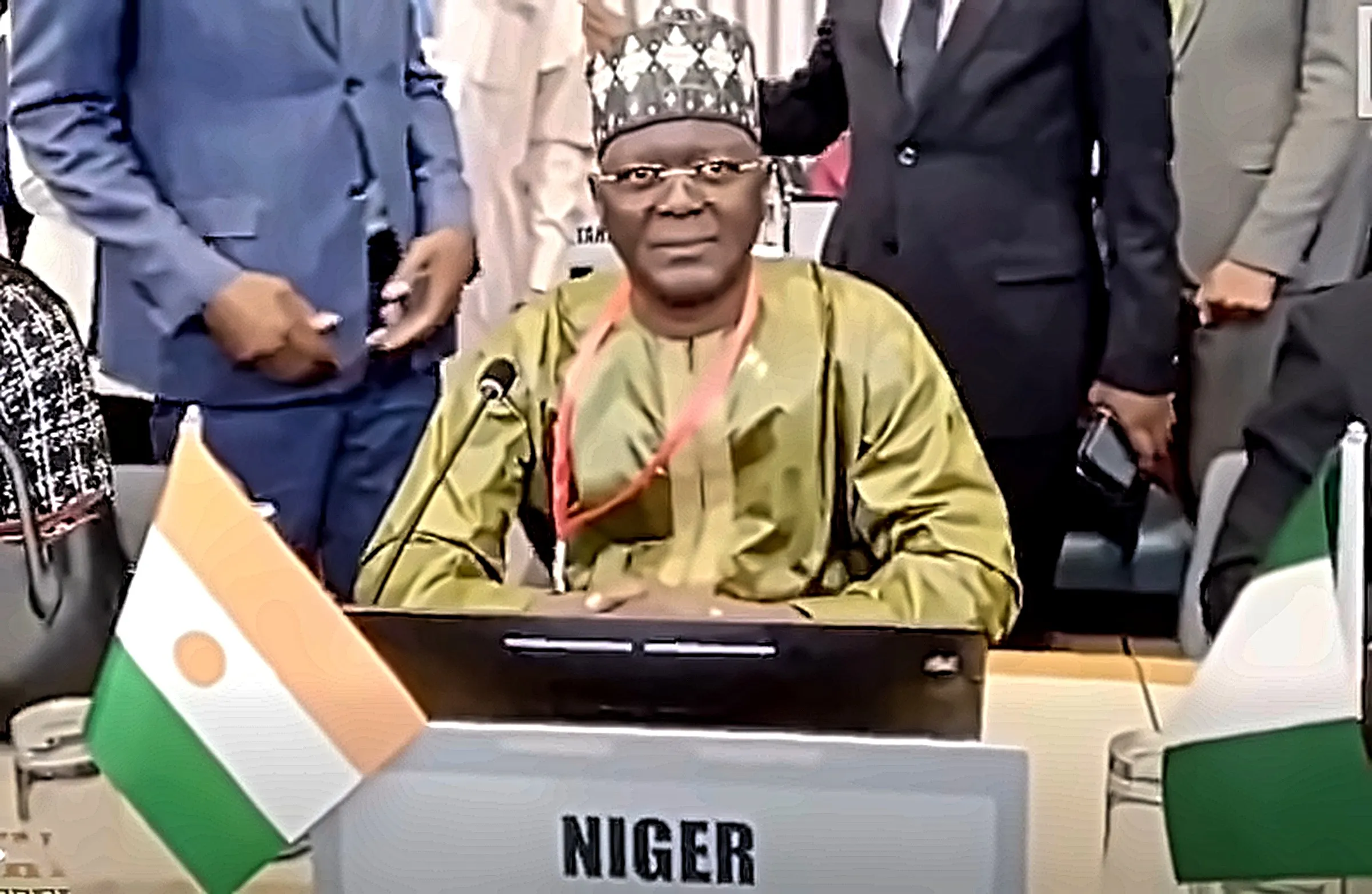
Niger's Minister of Health and Public Hygiene, Colonel-Major Garba Hakimi, has been elected First Vice-President of the 76th session of the World Health Organization (WHO) Regional Committee for Africa. This significant appointment signifies a new responsibility for Niger within the international health body's African region, placing the nation in a more prominent role in continental health discussions. Colonel-Major Hakimi's new role positions him in a key leadership capacity during a particularly significant session for public health across the continent, where critical decisions regarding health policies and strategies for African nations are made. The WHO Regional Committee for Africa is the highest decision-making body for health in the region, bringing together health ministers and high-level officials from 47 Member States to discuss and endorse regional health policies and programs.
Health System Under Strain
The Nigerien health system currently faces significant challenges, including widespread malnutrition and the prevalence of infectious diseases. These issues contribute to a complex public health landscape within the country. Access to essential healthcare services remains particularly difficult in areas affected by insecurity, further complicating efforts to deliver medical aid to vulnerable populations. The presence of armed groups and internal displacement often disrupts health infrastructure and limits the reach of humanitarian organizations. Additionally, the country experiences consistent seasonal pressure from malaria, which places an ongoing and substantial burden on health infrastructure and resources. These issues collectively strain the capacity of Niger's public health services, noting the urgent need for strong interventions and international support.
Malaria Response Efforts
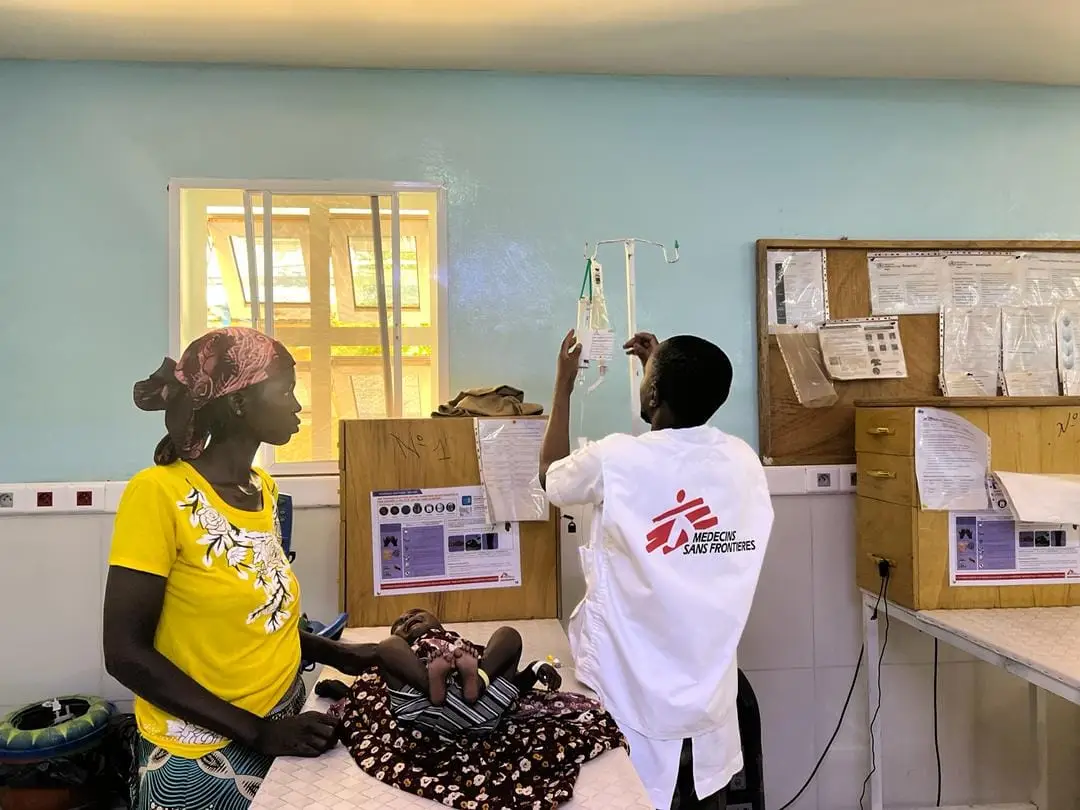
In response to these pressing health concerns, particularly the widespread issue of malaria, organizations like Médecins Sans Frontières (MSF) have established critical support structures. In Dan Issa, Madarounfa department, Médecins Sans Frontières (MSF) has opened a seasonal unit specifically for the management of severe malaria in children aged 1 to 59 months. This specialized unit, which has been operational since 2009, significantly expanded its capacity from an initial 20 beds to 120 beds to effectively address the seasonal surge in malaria cases, which typically peaks during the rainy season. The expansion shows the escalating demand for advanced care for severe forms of the disease.
The data from 2025 illustrates the critical role played by this facility. In 2025 alone, the MSF unit admitted a total of 4,713 urgent patients requiring specialized care for severe malaria, reflecting the high incidence of life-threatening cases in the region. During the same year, the facility recorded a mortality rate of 2.6% among its patients, a figure that emphasizes the severity of the conditions treated and the intensive care provided. Additionally, the medical team at the MSF unit performed 1,575 transfusions in 2025, noting the critical nature of the cases handled, as severe malaria often leads to profound anemia requiring blood transfusions to save lives. The unit's full approach includes diagnosis, treatment, and ongoing monitoring, providing a vital lifeline for young children susceptible to the disease.
Broader Regional Impact
Colonel-Major Garba Hakimi's election as First Vice-President of the World Health Organization (WHO) Regional Committee for Africa places Niger in a more prominent position within continental health discussions. This elevated role allows Niger to significantly contribute to and influence regional health strategies, potentially fostering greater collaboration on shared challenges such as infectious diseases and malnutrition that affect multiple countries in Africa. The appointment could also facilitate the exchange of best practices and resources, benefiting other nations facing similar health system pressures, particularly in areas like malaria control and emergency healthcare delivery.
With Niger's own health system experiencing significant strain, particularly in areas affected by insecurity and the persistent burden of malaria, Colonel-Major Hakimi's new responsibilities offer a key platform for advocating for coordinated regional responses. His experience on the ground will provide valuable insights into the practical challenges faced by health systems in vulnerable settings. Organizations like Médecins Sans Frontières (MSF), which operate across the region, could see enhanced opportunities for partnership and support in their efforts to address public health crises, as regional leadership can help streamline resource allocation and policy implementation. This leadership role is expected to strengthen Niger's voice in shaping a healthier future for the African continent.