Niger's Kafra oil prospect, located in the north of the country, has revealed a significant potential discovery, with prospective resources evaluated at 2.5 billion barrels. This substantial figure, stemming from a 2023 study conducted on the northern part of the Kafra block, suggests that Niger may have identified one of its most important oil fields to date. The considerable volume of these prospective resources indicates a potentially transformative development for the West African nation's energy sector, promising a significant boost to its hydrocarbon potential and economic future. The evaluation of 2.5 billion barrels shows the immense scale of this potential discovery, positioning it as a key asset for Niger.
New Exploration Campaign Launched
Kafra represents a decades-old oil bet for Niger, now entering a decisive verification phase. This long-term commitment to exploring the region's hydrocarbon potential is moving into a critical new stage. An exploration campaign, officially launched on August 13, aims to further assess the prospect's potential and confirm the estimated resources. The ambitious program outlines the drilling of four exploration wells over a two-year period, demonstrating a concerted effort to thoroughly evaluate the block. The first well in this series, designated Kafra Sud-Est 1, is meticulously planned to reach an approximate depth of 3,900 meters. This deep drilling initiative follows earlier studies that indicated significant prospective resources within the Kafra block. The progression from preliminary studies and seismic data to an active, multi-well drilling campaign marks a critical step in determining the commercial viability and ultimate scale of the identified oil reserves, potentially influencing Niger's future energy landscape and its role as an oil-producing nation. The success of this campaign is key for moving these prospective resources into the category of proven reserves.
Historical Context and Previous Efforts
Exploration drilling in the Kafra zone commenced with boreholes at Séguédine in 1974 and Tiffa in 1975, marking some of the earliest attempts to identify hydrocarbon potential in this remote region. These initial efforts, though predating modern seismic technology, laid the foundational groundwork for subsequent, more intensive exploration activities. SIPEX, a subsidiary of the Algerian national oil company Sonatrach, has been the operator in the Kafra block since 2005, taking over the long-term commitment to assessing its oil and gas prospects. Their involvement has been instrumental in the systematic evaluation of the area.
Since SIPEX began its operations in 2005, extensive geophysical surveys have been conducted to meticulously map the subsurface geology of the Kafra block. This full work has included the acquisition and interpretation of approximately 2,205 kilometers of 2D seismic data, providing a broad understanding of the geological structures. Additionally, 760 square kilometers of 3D seismic data were acquired and subsequently interpreted, offering a more detailed and precise understanding of the complex geological formations that could host hydrocarbon reservoirs. These sophisticated seismic campaigns are key for identifying optimal drilling locations and accurately evaluating the size and characteristics of potential oil fields. Further exploration drilling occurred in 2018 and 2019, when two more exploration wells were drilled within the Kafra block. These wells were strategically placed, building upon the earlier seismic data and previous drilling campaigns to refine the understanding of the prospect's potential. The data gathered from these wells significantly contributed to the accumulation of geological and geophysical information that informed the current phase of evaluation and the 2023 study.
Understanding Prospective Resources
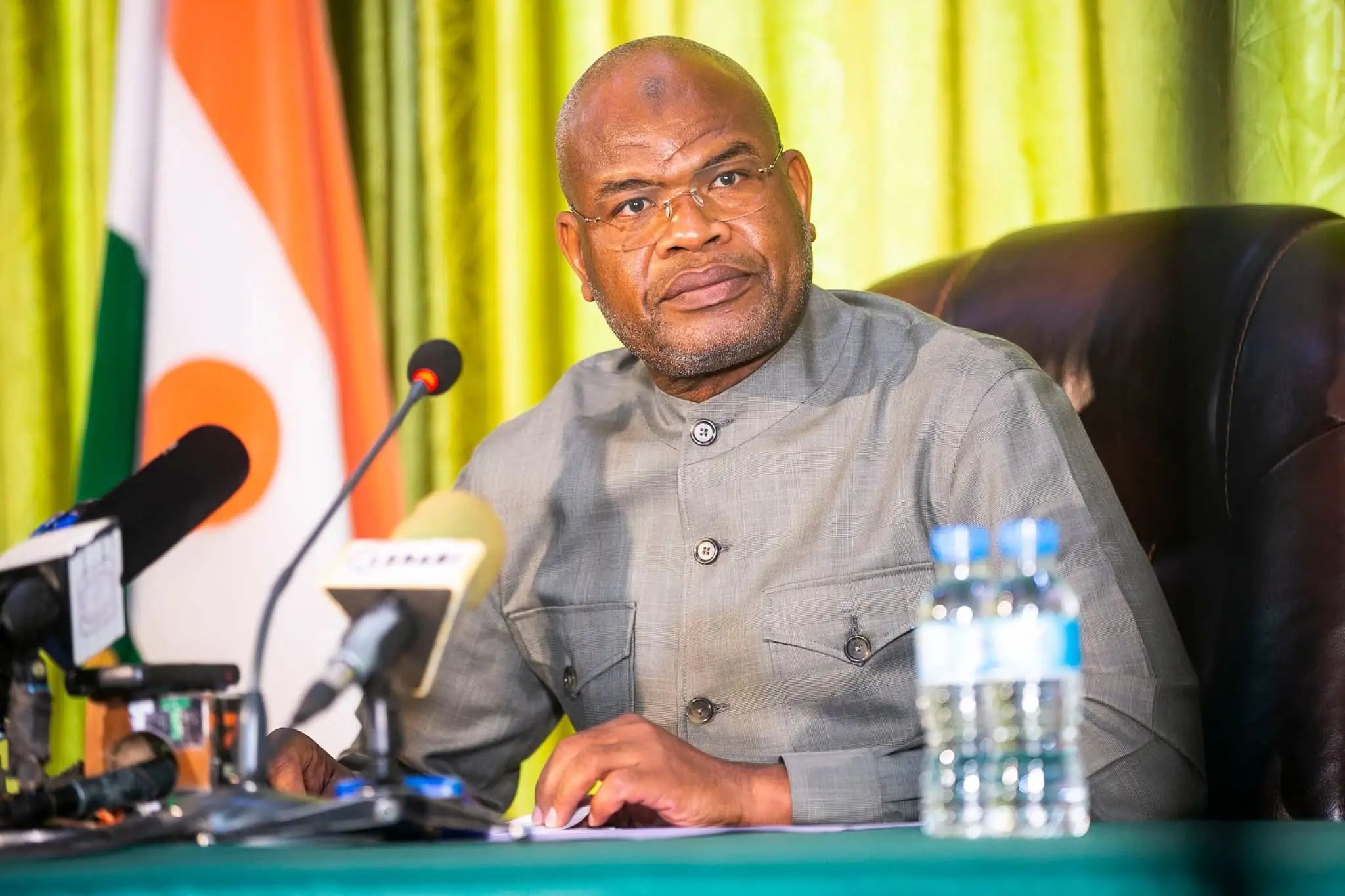
Niger's Minister of Petroleum, Hamadou Tini, held a press conference on Wednesday, providing further details and clarifying the nature of the Kafra prospect. During this press point, he explained that prospective resources, while indicated by extensive geological and geophysical data, represent volumes that require confirmation through drilling operations. These resources are considered potentially present based on scientific knowledge, but their existence and commercial viability are not yet fully proven. The volumes must be confirmed by drilling to move them into a more certain category. This distinction is critical in the petroleum industry, as prospective resources carry a higher degree of uncertainty compared to proven reserves.
Separately, 2P reserves, which signify proven and probable volumes associated with existing discoveries, were estimated at 255 million barrels in 2018. These 2P reserves are linked to already realized discoveries within Niger's oil sector, indicating a more confirmed level of recoverable oil. Additionally, approximately 168 million barrels of heavy oil were also mentioned in connection with these previously identified reserves, further detailing Niger's existing hydrocarbon assets. The current focus on the 2.5 billion barrels of prospective resources in Kafra notes the potential for a substantial increase in Niger's overall oil endowment, should the ongoing exploration campaign prove successful in confirming these estimates. The careful distinction between prospective resources and proven reserves is essential for accurate reporting and strategic planning within the nation's energy sector.