Niger has initiated a new phase in its mining policy, attributing uranium exploitation permits to TSUMCO and MAMICO last week. This move signals a strategic shift for the West African nation, aiming to regain greater control over its natural resources. This choice reflects a clear orientation to strengthen national control over strategic resources, a key objective for the government. The government of Niger has a strategic window to redeploy its uranium policy and recover more added value from its mining sector, according to officials. This policy adjustment shows a broader ambition to maximize the economic benefits derived from its valuable mineral wealth.
New Permits Issued
Atomic Eagle announced the reinstallation of its interests in the Madaouela project, confirming a 60% participation in the venture. The Nigerien state will retain the remaining 40% stake in the project. This development follows a broader strategic shift by Niger to assert greater national control over its vital uranium resources. The re-engagement of Atomic Eagle with a majority share, alongside the state's significant minority holding, outlines a new operational framework for the Madaouela site. This arrangement reflects the government's efforts to restructure its mining sector and potentially increase the added value derived from its natural resource exploitation. The attribution of new uranium exploitation permits to TSUMCO and MAMICO last week further solidifies this direction, expanding the scope of national involvement in the sector.
Ambition vs. Reality
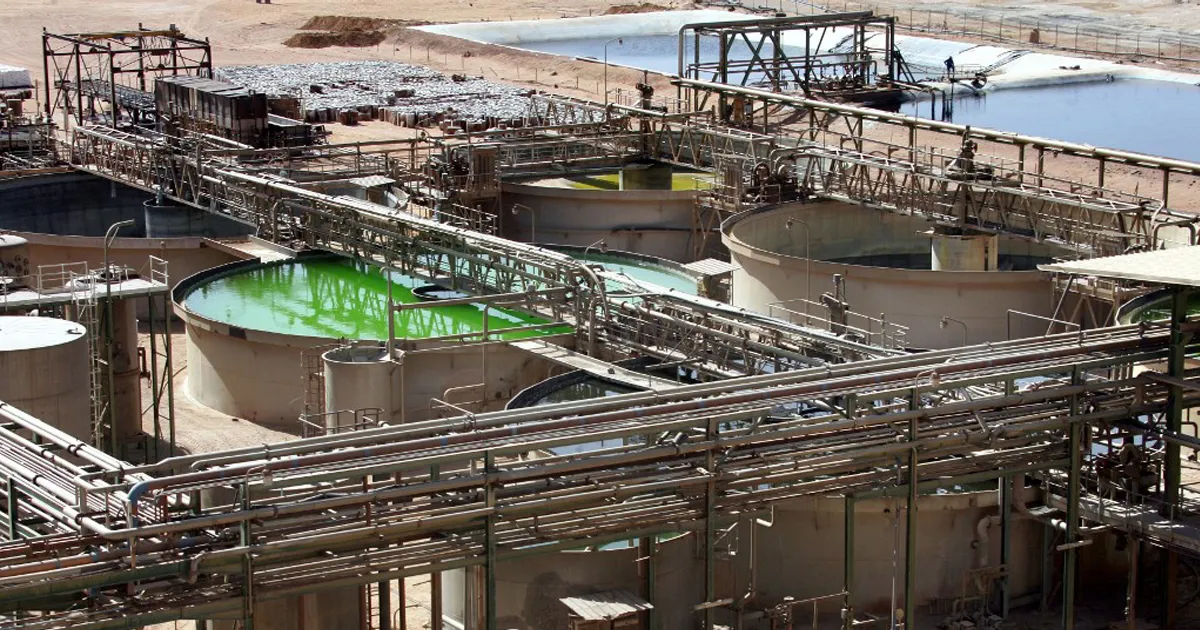
A mining permit alone does not guarantee uranium production or generate revenue, according to industry observers. This point is key, as a permit alone does not produce uranium or revenue; it requires substantial investment. Significant investment is required for the necessary infrastructure, including processing facilities and transportation networks. The development of mining operations also demands specialized skills, a reliable energy supply, efficient logistics, and a stable, predictable legal environment to attract and retain capital. These elements collectively determine the feasibility and success of resource extraction projects, noting the intricate balance between policy formulation and practical implementation.
The Madaouela project in Niger exemplifies these complex requirements. The case of Madaouela illustrates this complexity, serving as a tangible example of the hurdles faced. While Atomic Eagle recently confirmed its 60% participation and the Nigerien state retains a 40% stake, the transition from permit issuance to active production involves substantial practical challenges. Establishing operational mines necessitates extensive capital outlay for machinery, safety protocols, and environmental safeguards, alongside the recruitment and training of a skilled workforce. The project's progress will depend on the successful integration of these diverse components, demonstrating the gap between policy ambitions and the operational realities of resource development. Without these foundational elements, the potential for resource exploitation remains largely theoretical.
Strategic Resource Control
The decision to grant new uranium exploitation permits reflects a clear orientation to strengthen national control over strategic resources. This strategic shift aims to secure greater value from Niger's natural endowments. Achieving this ambition, however, requires a transition from merely an administrative takeover of assets to the construction of a full national industrial chain. Moving from administrative takeover of assets to building a true national industrial chain is essential for long-term success. This involves developing local expertise, infrastructure, and processing capabilities to ensure that the benefits of resource extraction are retained within the country. This holistic approach is vital for Niger to not only extract its resources but also to process them domestically, thereby creating jobs, fostering technological transfer, and significantly boosting the national economy beyond raw material export. The successful implementation of this vision hinges on overcoming the substantial practical challenges associated with large-scale mining operations.