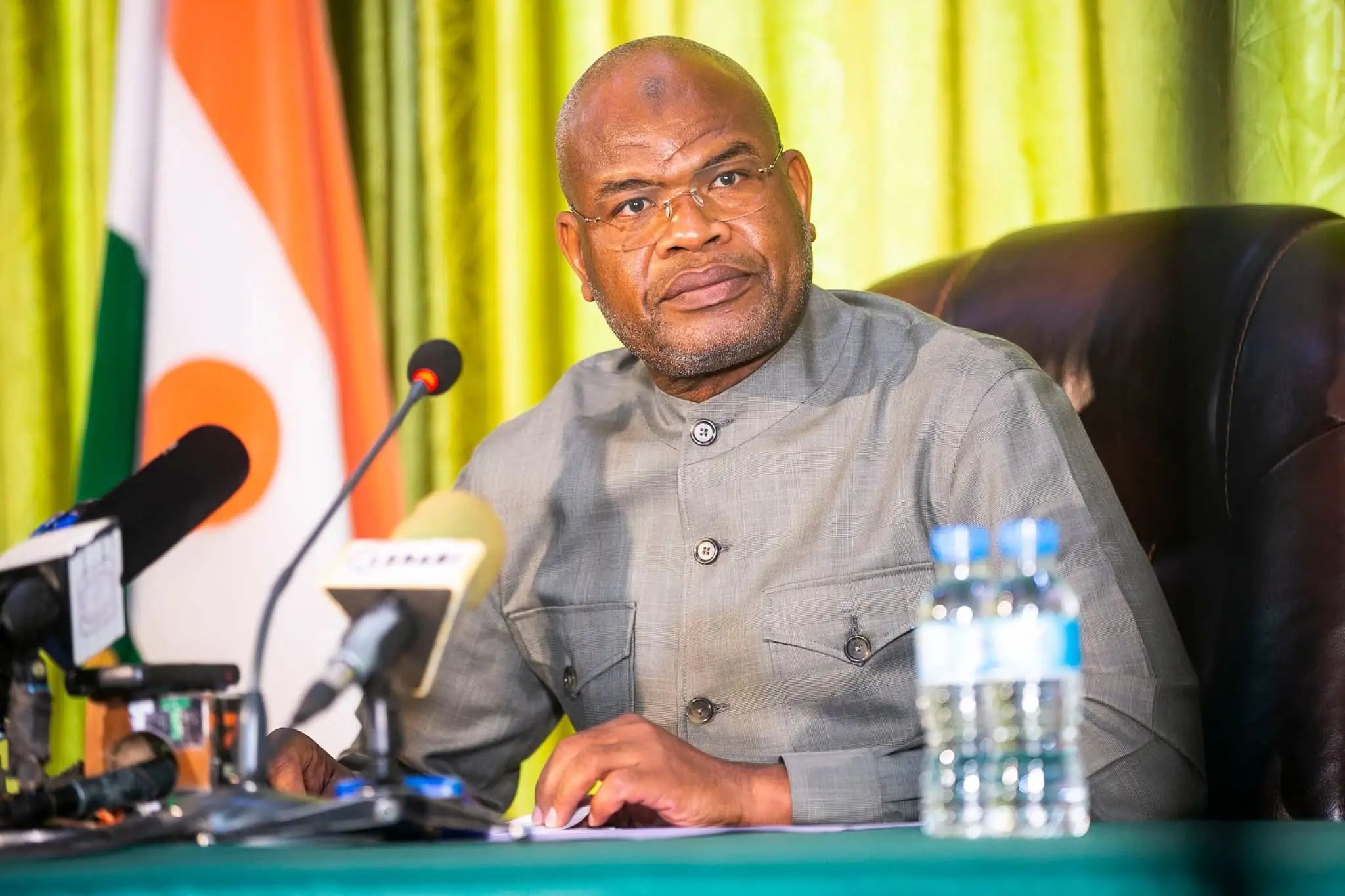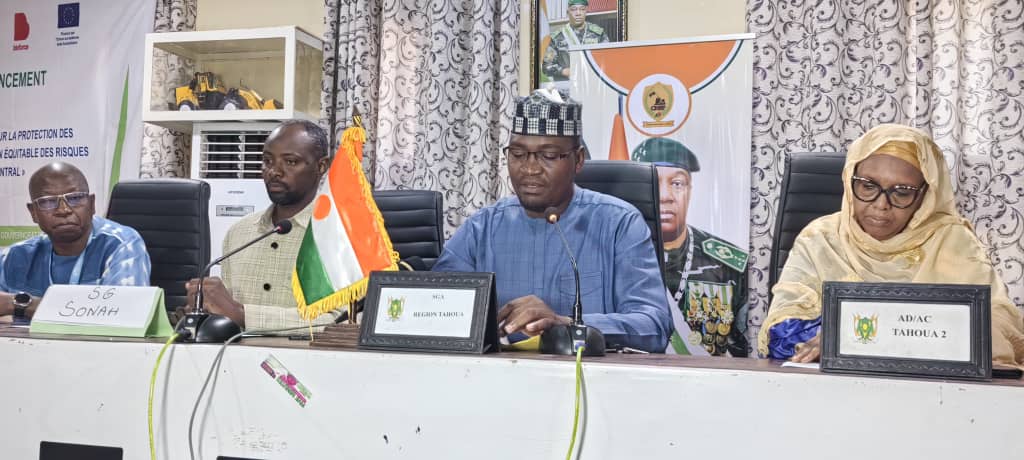
The second phase of the PARTAGE project was officially launched on Thursday, September 10, 2026, during a regional ceremony held at the conference room of the Town Hall of Tahoua. This significant event marked a key step in bolstering support for humanitarian efforts in the Central Sahel. PARTAGE, which stands for 'Promotion d’un Accès aux Ressources pour la Protection des Travailleurs Humanitaires et Appui à la Gestion Équitable des Risques pour les OSCs dans le Sahel Central', is a vital initiative. The project aims to enhance access to resources for the protection of humanitarian workers and support equitable risk management for Civil Society Organizations (CSOs) in the Central Sahel region, addressing pressing needs in a complex environment.
Project Goals and Significance
The PARTAGE project is meticulously designed to promote access to resources for the protection of humanitarian workers and to support equitable risk management for Civil Society Organizations (CSOs) across the Central Sahel. During the launch, Hamza Harouna Adamou, the Secretary General of the Tahoua Region, articulated the strategic importance of this endeavor. He stated that strengthening the capacities of civil society organizations is expected to reinforce the leadership of national and local organizations. This reinforcement aims to enhance their accountability and their ability to effectively fulfill their roles in both development and humanitarian action, making them more resilient and impactful in their operations.
Local Context and Importance
The opening ceremony for the second phase of the PARTAGE project was presided over by M. Hamadou Siddo, the Secretary General Adjoint of the Governorate of Tahoua. M. Hamadou Siddo indicated that the workshop and the project itself hold particular importance for the Tahoua region, emphasizing the essential role humanitarian actors and civil society organizations play alongside the state. He observed that local NGOs and associations possess an in-depth understanding of their communities' realities, positioning them as key players in local development and aid efforts. M. Siddo further elaborated that these organizations are close to the populations and comprehend local dynamics, making them indispensable partners for an appropriate response to needs on the ground. He showed this point by stating, "les ONG et associations locales disposent d’une connaissance fine des réalités de leurs communautés, précisant qu’elles sont proches des populations, comprennent les dynamiques locales et constituent des partenaires indispensables pour une réponse adaptée aux besoins du terrain."
Official Opening Remarks
In his opening remarks, M. Hamadou Siddo, the Secretary General Adjoint of the Governorate of Tahoua, stressed the necessity of establishing an environment where local organizations can bolster their professionalism, governance, and capacity for risk management. He noted the critical need to create favorable conditions that allow these organizations to thrive and expand their reach. M. Siddo also emphasized the importance of improving their access to resources and ensuring their full participation in coordination mechanisms, which are vital for effective humanitarian response and development initiatives. He reiterated his earlier point by stating that "local NGOs and associations possess an in-depth understanding of their communities' realities, specifying that they are close to the populations, comprehend local dynamics, and constitute indispensable partners for an appropriate response to needs on the ground." His address set a clear vision for the project's impact at the grassroots level.
Challenges and Future Outlook
The protection of humanitarian workers and effective risk management remain major issues in the Central Sahel region. The area faces significant security, humanitarian, and climatic challenges that directly impact the operations of aid organizations and the safety of their personnel. These persistent issues show the continued need for projects like PARTAGE to strengthen local capacities and ensure effective, sustainable responses on the ground. By empowering local CSOs and enhancing their operational capabilities, the PARTAGE project aims to build a more resilient and responsive humanitarian ecosystem in a region grappling with multifaceted crises. The successful implementation of this second phase is anticipated to contribute significantly to mitigating risks and improving the effectiveness of humanitarian action across the Central Sahel.