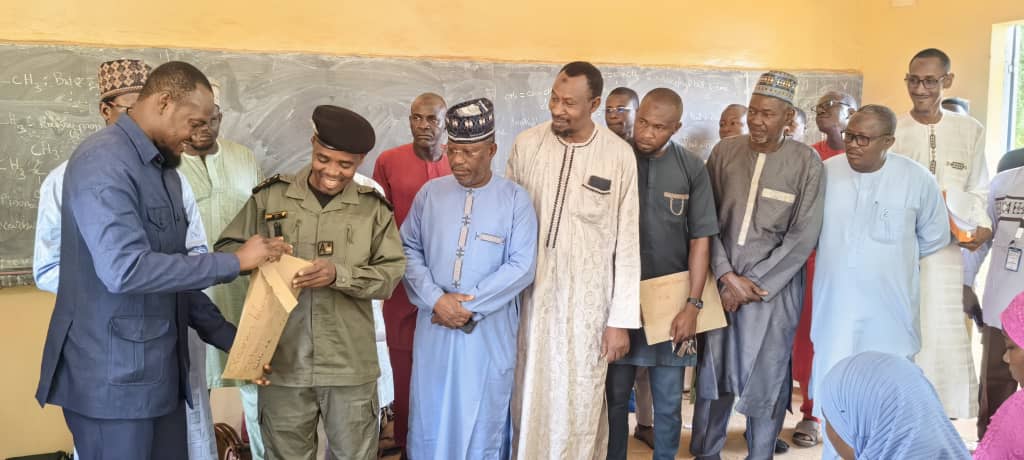
The Tahoua Region initiated its inaugural mock exams for public and private health schools and institutes on Saturday, September 5, 2026. These preparatory tests are designed to ready students for upcoming official examinations. This significant undertaking marks the 1st edition of such mock exams for health students in the Tahoua Region, setting a precedent for future educational support initiatives. The Regional Bureau of the Nigerien Association of Health Schools and Institutes (BER/ANEIPIS) organized the mock exams. This initiative was undertaken in collaboration with the École Nationale de Santé Publique (ENSP) of Tahoua, noting a concerted effort between regional educational bodies to bolster student preparedness. The collaborative organization shows the commitment of these institutions to elevating the standards of health education and ensuring students are well-equipped for their professional journeys.
Exam Scope and Candidates
The mock health exams encompass seven schools within the region, demonstrating a broad reach across the health education landscape of Tahoua. A total of 833 candidates from the city of Tahoua are participating in these preparatory assessments, reflecting a substantial engagement from the student body. The candidates are drawn from various specializations, showcasing the diverse needs within the health sector. Specifically, 516 students are enrolled in the Auxiliary Health Agent (ASB) program, preparing for key roles in primary healthcare. Additionally, 98 students are studying to become midwives, a vital profession focused on maternal and child health. The LSIO program accounts for 211 enrolled students, indicating another significant area of study. 8 students are specializing in Laboratory work, a critical component of diagnostic services. This full participation across multiple disciplines shows the importance of these preparatory exams for a wide array of future health professionals. This initiative marks the first time that such mock exams have been organized for health students in the Tahoua Region, signifying a pioneering step in academic support.
Objectives and Preparation
The mock health exams aim to evaluate candidates' current knowledge levels, providing a clear snapshot of their academic standing. Beyond assessment, a primary objective is to identify both their strengths and weaknesses, allowing for targeted improvement. Ultimately, these exams are designed to prepare them for the specific and unique certification exam required in the health sector, which demands a high level of proficiency and practical understanding. This preparatory process is meticulously designed to familiarize students with the format, structure, and demands of the official assessment, thereby reducing anxiety and enhancing performance on the actual certification test.
The examinations will allow participating students to gauge their preparedness effectively and understand precisely which areas require further study and dedicated attention. This self-assessment is key for personalized learning. Concurrently, teachers can utilize the results to identify common deficiencies among their students, enabling them to adapt their teaching strategies and implement targeted corrective measures. This feedback loop is intended to enhance the overall learning process ahead of the final assessments, ensuring that instructional efforts are aligned with student needs. The results from these mock exams will serve as a valuable diagnostic tool, informing both individual study plans and broader pedagogical approaches.
Final examinations for the students are scheduled to take place on September 19, following the completion and thorough review of these preparatory mock exams. This timeline allows for a critical period of reflection and focused study based on the mock exam outcomes. The initiative seeks to ensure students are adequately prepared for the challenges of the official certification process, equipping them with the confidence and knowledge necessary to succeed in their professional careers.
Official Support and Advice
The mock health exams officially commenced at CES1 in the city of Tahoua, marking the formal beginning of this important educational intervention. This location served as the central point for the launch of the preparatory assessments, which are designed to ready students from various health specializations for their upcoming official examinations. The successful launch at CES1 notes the logistical coordination and institutional backing for this region-wide effort. The initiative marks a significant step for the Tahoua Region in supporting its health education sector, demonstrating a proactive approach to fostering skilled healthcare professionals.
Following the conclusion of the examinations, organizers plan to compile a full report, known as a procès verbal. This key document will systematically detail the performance of candidates across both theoretical and practical components of the exams. The primary objective of this report is to identify specific areas of weakness, providing granular insights into where students collectively or individually struggle. This detailed analysis will then facilitate the provision of targeted feedback, ensuring that students receive actionable advice. This structured approach aims to equip students with the necessary information to address their insufficiencies effectively before the final certification exams on September 19, thereby maximizing their chances of success. The procès verbal will be instrumental in guiding the final phase of student preparation, ensuring that all efforts are focused on bridging knowledge gaps and reinforcing critical skills.